
Caramel Mafia·Ghanaian-German / Freiburg→Berlin
DJ, radio journalist, and founder of the Ratchet party series
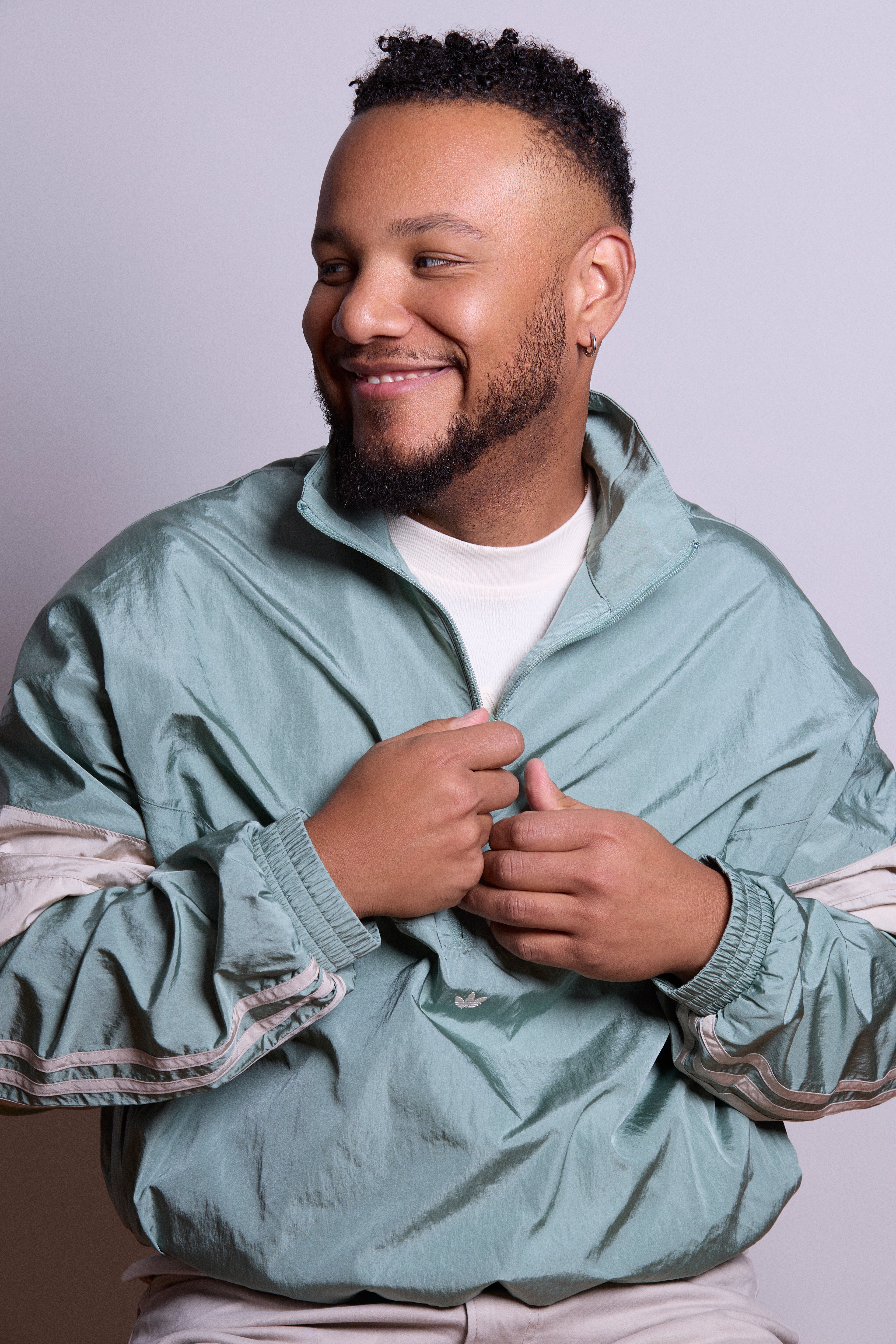

He had already moved to Berlin once, twenty years ago, for an internship at Kiss FM, and had already moved away again. What brought him back was a friend mentioning a queer hip-hop party. He came up for the weekend, and then he simply never went home. He had grown up on hip-hop and Dirty South, and he had spent years watching queer nights promise an urban floor and deliver a Pussycat Dolls record, a Black Eyed Peas record, a Sugababes record, and then slide back into Britney. What he wanted was one room where he could hear his music and be himself at the same time. So, a few drinks in, he found the promoter and asked for the booth.
There was one problem. He had never DJed in his life. He could not mix, he owned no equipment, and he had no idea what he was doing. "The Hennessy did some of the talking," he says. "But I also always knew that if you don't ask for things, you don't get them."
He got the slot.
Early on he played CDs, one song after another, barely mixing at all. To cover the joins he leaned on a trick the queer parties of the early 2000s all used: crank the filter until everything drops out, leave a strange smeared effect hanging over the transition, and bring the next record in underneath it. "It maybe wasn't a great transition," he says. "But it was passable." People liked what he picked. That was enough to keep going, and more gigs followed.
Best of Both Worlds
The choice he had been trying to avoid was still there: straight clubs had the music, queer clubs had the room. What he wanted was both.
There were rooms with my music, and rooms where I could be myself. That party was the first time it was the same room.
— Caramel Mafia
That idea would eventually become the blueprint for Ratchet.
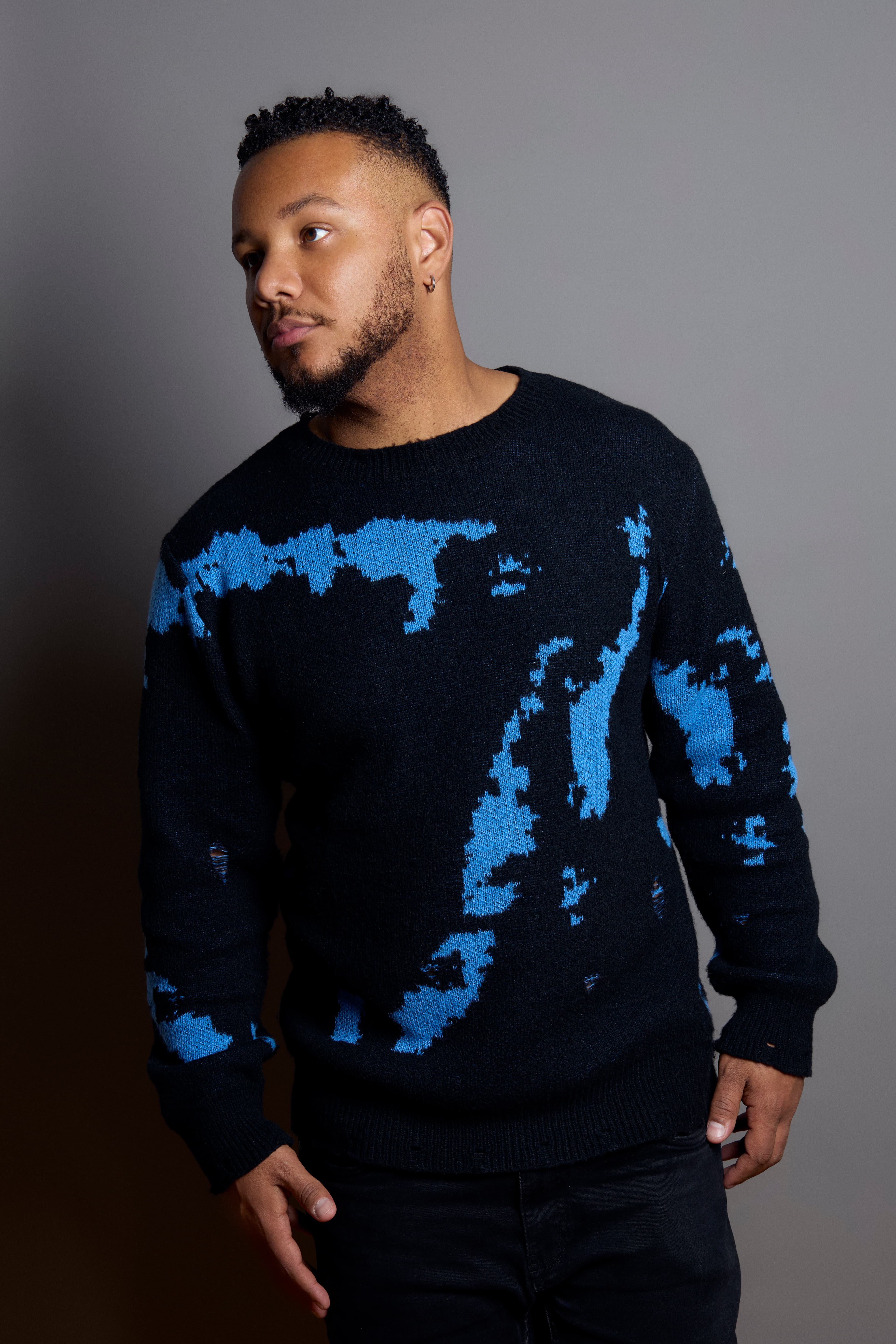

Indoors with the Radio
He was born in Freiburg to a Ghanaian father and a German mother, the eldest of five across two households. His father is a Rastafarian with dreadlocks who played reggae and dancehall. Music was simply part of the atmosphere at home. When his father finished with a cassette he handed it down, which is how a young kid ended up listening to Tupac with his dad.
The inheritance came with a rejection built in. Reggae and dancehall were his father's music, which made them, for a while, deeply uncool. "It's like having parents who listen to ABBA," he says. "It took me a while to be able to love it in a way that wasn't cringe."
Racism was an inescapable part of where he grew up, and his response was often to stay inside. He spent hours at home with the radio on, recording songs he liked onto cassettes. That is where the story really starts: not in a club, not in a record shop, but with a kid indoors, sitting in front of a cassette deck because outside was worse. Radio has never lost that standing for him.
The Craft
He started early and moved fast. He wrote for a youth magazine, then for the local paper, which was his way into journalism, and he was earning pocket money from it before he was a teenager, eventually filing hip-hop reviews and interviewing rappers while still at school. He saw a film with a radio host in it, decided that was the job, and at seventeen moved out, finished his Abitur, and used his Zivildienst to present the patient radio at Freiburg's university hospital: an hour a day of what was for lunch, what was new in medicine, what a cholesterol number means. He helped build the university station when it won its FM licence, handing out equipment to students, cutting their pieces, and running a hip-hop show of his own.
Then Kiss FM in Berlin, where he interviewed rappers and got close enough to the machinery that making music himself started to look like the obvious next move. He did not get the apprenticeship he wanted there. What he did get was a deputy station manager who saw something in him and told him to go after it anyway. "If she hadn't been there, I'd have finished the internship and done something else," he says. He did the apprenticeship elsewhere and stayed in the industry.
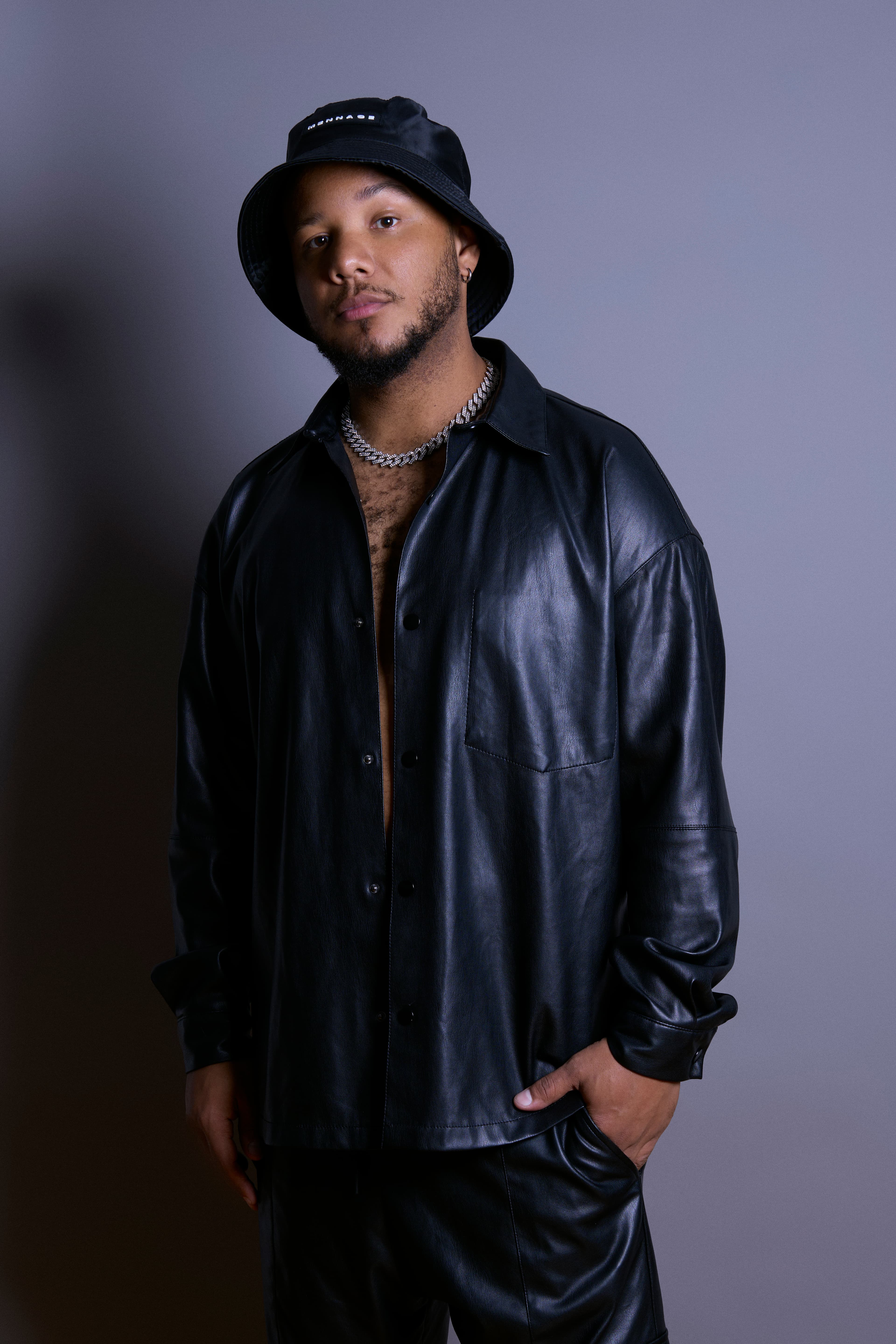

He is careful about what that qualification is, because he thinks people misread the job. The picture of a radio host is someone cracking jokes between records. The reality, he says, is a craft: make something complicated simple, inside the time you have, for people who are half listening while they wake the children and drive to work. He does not separate radio and journalism into two things. "You can't really think them apart," he says.
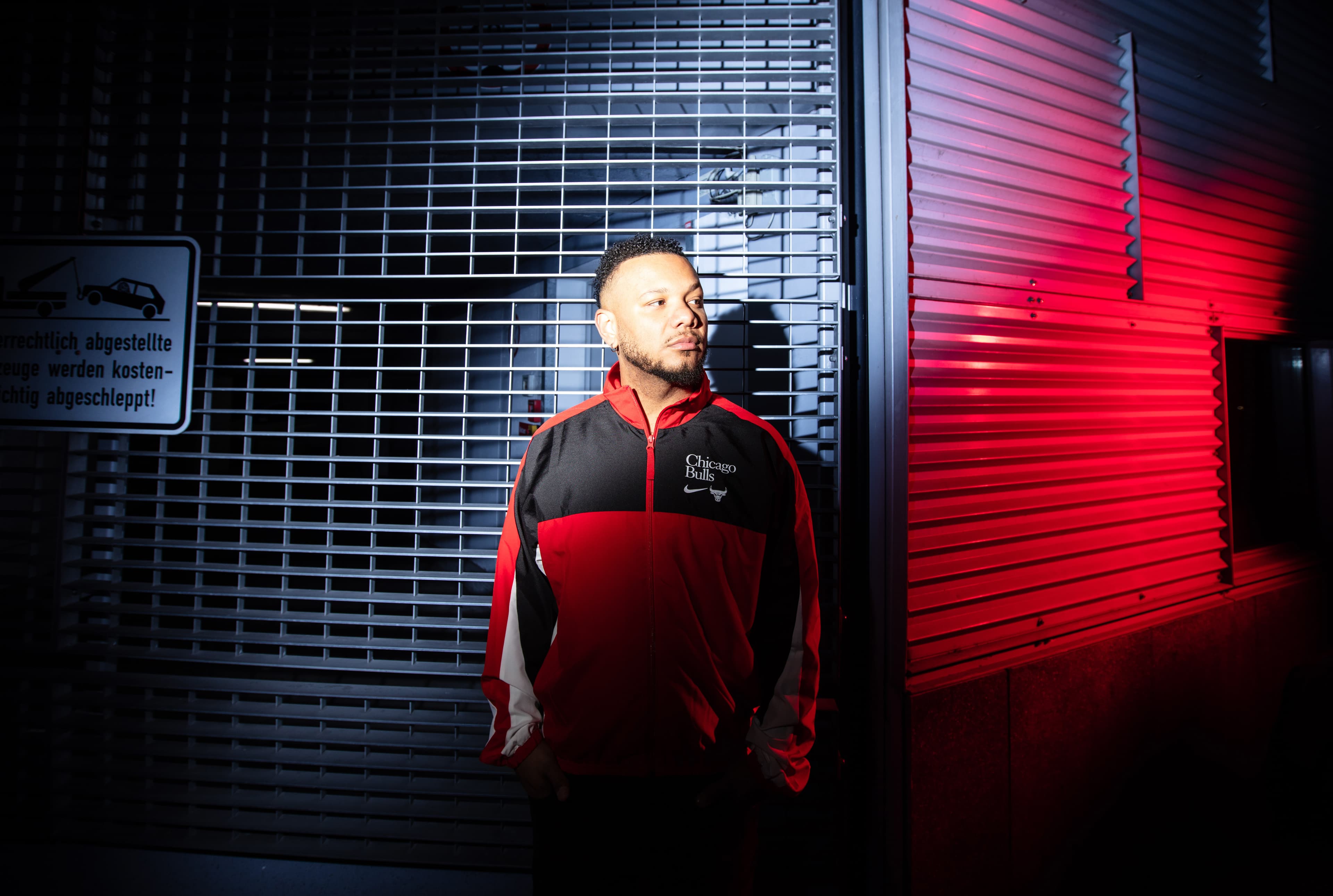

A Shitty Birthday
For a long time he was a DJ four or five times a year. Then it started compounding. Somewhere in the middle came what he now reads as a detour: convinced that a hip-hop DJ was only taken seriously if he could scratch, he bought turntables and took lessons. He can still do a bit of it. He stopped because he worked out where the impulse came from. "It wasn't coming from my heart," he says. "It was me thinking I had to impress people." It also did not fit what he was actually for. "If you want to twerk and someone is scratching over the top of it the whole time, that's not it either."
He plays on controllers, and with Native Instruments in trouble he is eyeing CDJs as the next step, after all this time. He treats the whole thing as unfinished. "There's always room upwards."
On his thirtieth birthday, 4 January 2017, he and his best friend Carlo threw their own party. They had been talking about it since the day they met. Carlo came from dancehall and Afrobeats, he came from hip-hop and RnB, and the shared complaint was that their women friends did not feel safe in straight clubs and their queer friends did not feel safe either. He had seen nights like the one they wanted in the States. There were none in Berlin. "We thought, let's try. It could be shitty," he says. "But then it's just a shitty birthday."
It sold out. Friends came from the UK, the Netherlands, France, Switzerland. The venue, a techno room that had never handled a crowd like it, buckled: an hour queuing for the cloakroom, forever for a drink, and a booker who made it clear this was a Friday-if-you're-lucky proposition. Within a day another club had poached them outright.
Ratchet ran every other month, then picked up a monthly collaboration with SchwuZ: a night called Tasty that ran a pop floor alongside an Arabic music floor. It went to Melt and Fusion, to Cologne once, unsuccessfully, and to collectives in France, the UK and the Netherlands. In 2024 the Berlin Clubcommission gave it a Tag der Clubkultur award, and the same year he flew to Atlanta to play Global Black Pride. Carlo stepped back the following year, when it became too much alongside everything else in his life. He runs it alone now, and still calls him about the decisions that matter. "It was our baby," he says. "You never completely let that go."
The Part Nobody Sees
The part outsiders do not see, he says, is the doorwork. Briefing staff on what will not be tolerated inside, then holding that line in real time with whoever turns up, is a job with no glamour and no easy conversations. There is a version of the argument he has had a hundred times, that hip-hop and dancehall are homophobic genres and what exactly does he think he is doing. He has an answer ready.
“Music can't be homophobic. Individual people can.”
— Caramel MafiaHe is not naive about the material. There are enormous dancehall records built on calls to burn queer people alive, records where an entire floor will roar along with the hook. Those do not get played. Nor does Nicki Minaj, once one of the biggest artists in the queer community, since she went after people he was not prepared to overlook. He is not interested in policing the fun so much as in not adding to the bill. "For some people, everyday life is hard enough as it is," he says. "They don't need any additional microaggressions when they're out and about." Unless it can be flipped into something empowering, in which case it can stay.
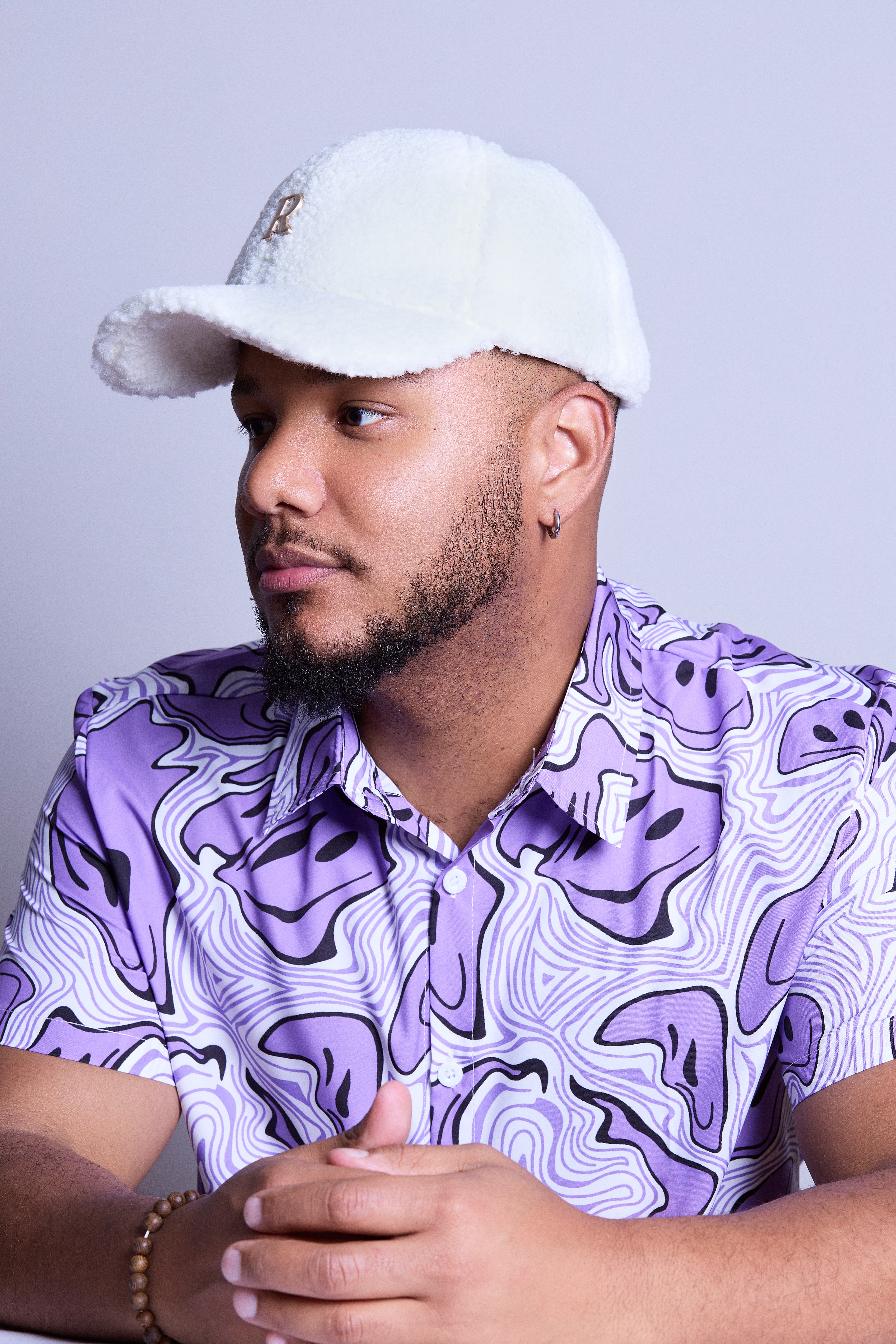

His technical rider makes the same point in writing. He will not play where people are wearing the insignia of the far right, and if sexist, homophobic, ableist or racist behaviour surfaces at an event he expects the promoter to intervene immediately, whether it comes from the crowd, the staff, the door or another act. If they do not, he reserves the right not to perform and to be paid in full regardless. The clause ends by assuming the best of whoever is reading it.

Less Willing to Compromise
He wrote his bachelor's thesis on why people stopped listening to the radio, and the answer he arrived at has stayed useful well beyond radio. It is not that the programming got worse. It is that audiences got less willing to compromise in an age of mass customisation. There used to be a handful of channels. That meant there was a Monday when everyone had watched the same thing on Saturday, and shared cultural moments happened almost automatically. Then everyone got their own niche, and the overlap between any two people shrank. "What was on the radio used to be what was hot," he says. "Now it's a compromise between the least controversial things."
He watches the same process from the booth. Attention spans are shorter, songs are shorter and more front-loaded, and a floor's tolerance for not recognising something has collapsed. Play a brand new Ice Spice record that has not been through TikTok and there is a good chance nobody moves. What he misses is the era when a DJ could break a record to a room. Techno crowds, he notes, still have this: a track either slaps or it does not, and nobody needs to have heard it first.
The shared moments have not disappeared, he thinks, they have just stopped belonging to any one medium. A World Cup, a Netflix show sending a forty-year-old song back up the charts. "The important thing is that it's a communal moment," he says. "That's the part that makes something feel like an event."

No Ring Light
Being paid has mostly gone fine, which he attributes partly to luck and partly to a slow build. Now that this is what he lives on, half journalism and half DJing, an unpaid gig is simply an unpaid day of work.
He is not absolutist about it. A few times a year he plays for nothing because the cause or the collective is worth it to him. His actual rule is about disclosure rather than money. Tell people what the situation is in advance and they can decide for themselves whether they want in. Do not tell them, and let them work for free without knowing, and it stops being a favour.
What has changed the job most, he says, is the camera. Bookers increasingly buy a follower count rather than a DJ, and once the booking is made there is a phone in your face and an expectation that you will perform for it. He is, by his own description, an introvert who would rather read a room than be filmed reacting to one, and he can see other DJs shrinking under the same lights.
"I'm glad you have a million followers," he says. "You're still not a good DJ."
It brings the story back to where it started, twenty years ago: a drunk kid asking a promoter for something he had absolutely no business asking for. Back then, what he wanted was the booth. Now he wants the same thing, just with the ring light switched off.
Photography by Dewayne Weise and Aloha Burn.