
ONNEA·Berlin→Berlin
Producer and DJ
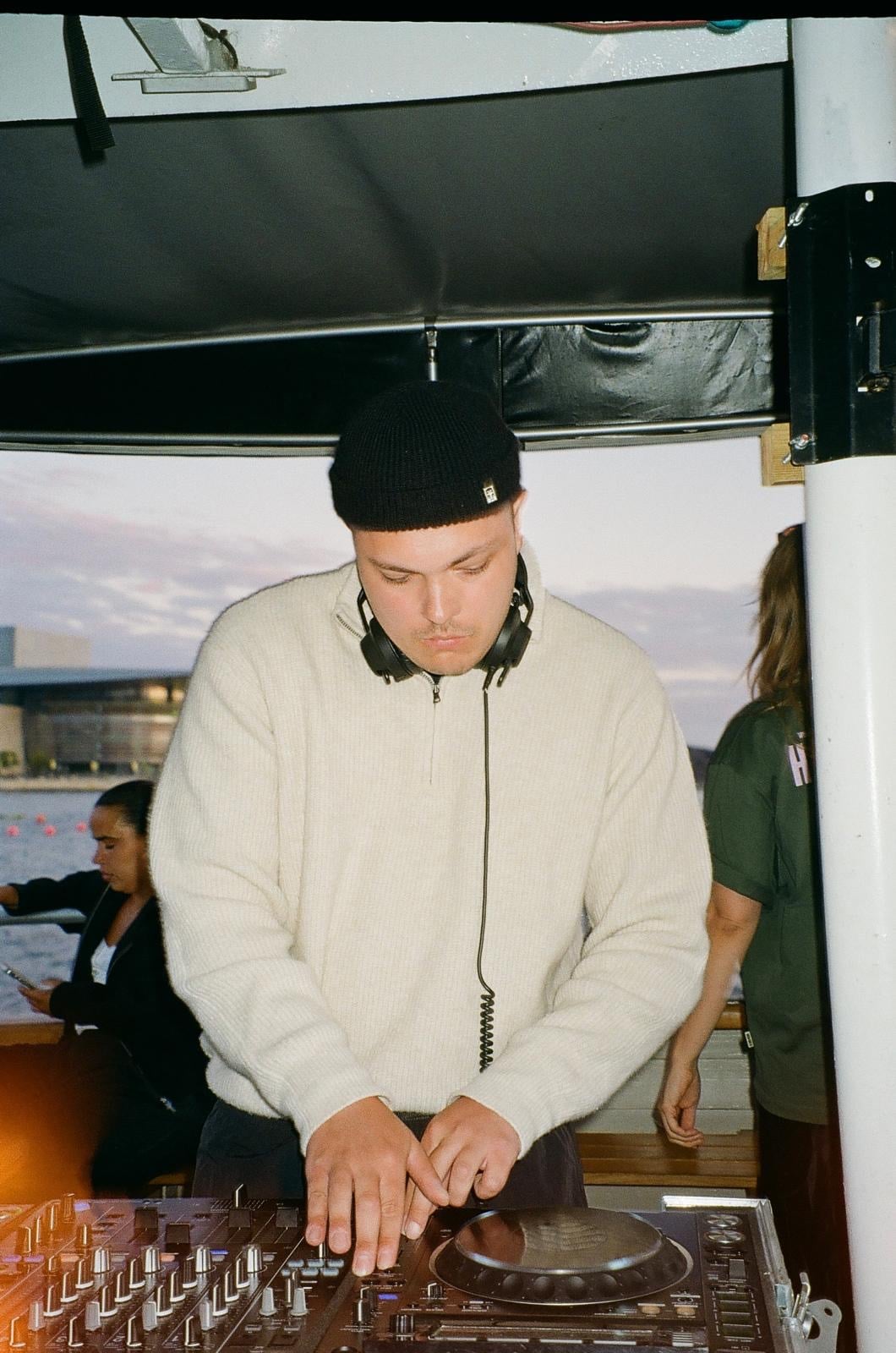

Sixteen years ago, ONNEA was a kid in Berlin filming himself doing handstands. He doesn't have the tapes anymore. The practice stuck though. Record, watch it back, find the mistake, go again.
"That helped me analyse mistakes," he says. "And somehow that became my way into the whole video world." Music came later. The muscle was already there.
He's ten years deep into the producer side now. Soulful hip-hop and R&B, the lineage he grew up on. Long enough to know exactly what he's after and to keep showing up for it.
“Creativity is a muscle. You have to channel it, you have to train it. No matter how talented you are.”
— ONNEAHe points to Quincy Jones and Pharrell. Both are proof of the same thing: nobody reaches that level without putting in the years.
"You can be as talented as you want," he says. "Without the work, you're not there."
The difference for him is that the work doesn't feel like work. It's the part he likes most.
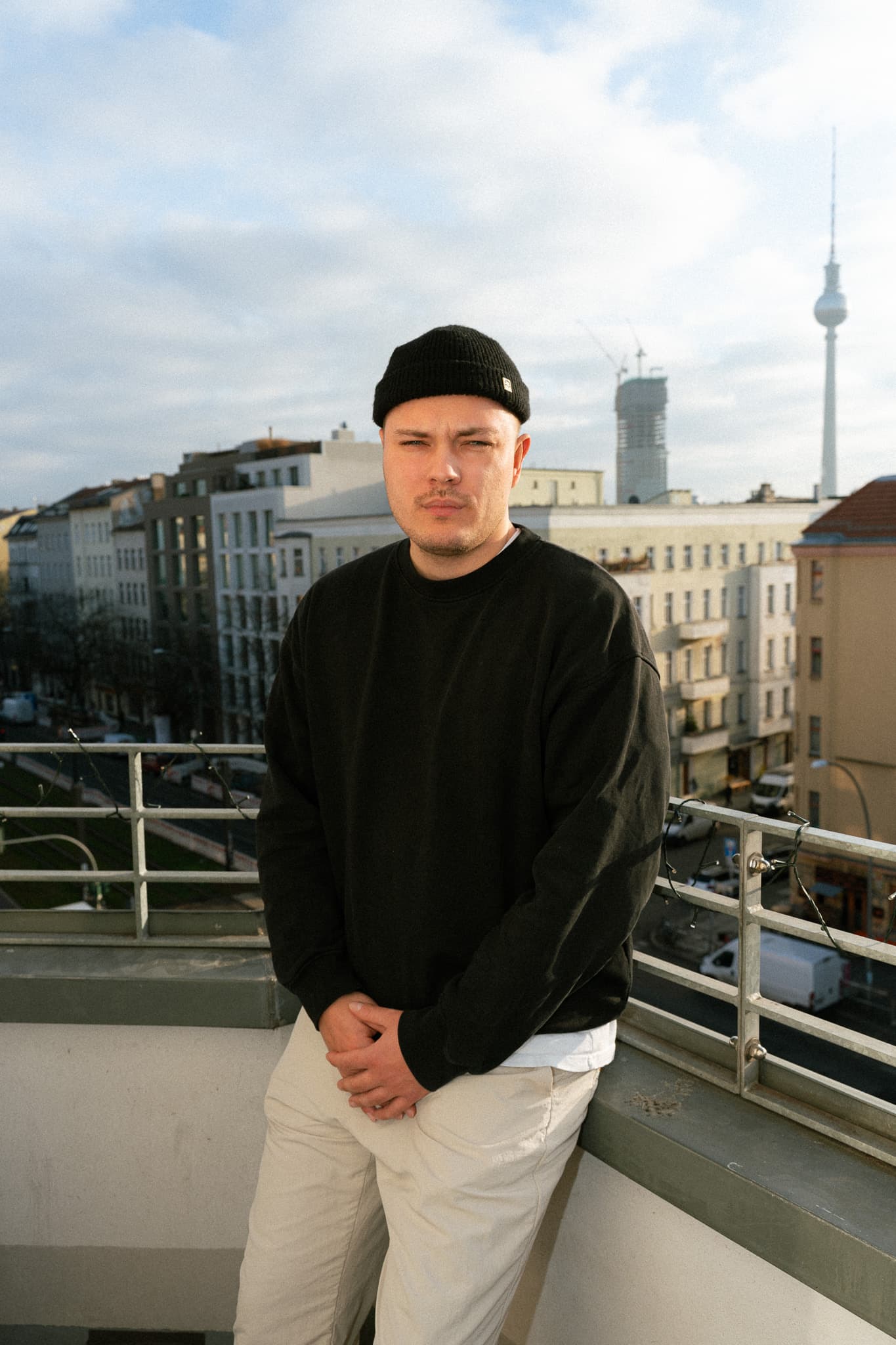

The benchmark for him is The Neptunes. Not Pharrell as a solo brand. Pharrell and Chad Hugo together. They defined an era of pop and soulful hip-hop without ever sounding like anyone else.
He came up in that era, when Justin Timberlake was everywhere and the Neptunes were on every other producer credit. Almost nobody in his Berlin circle was listening to what he was listening to. "Back then with Justin Timberlake and the rest, you didn't have many people listening to similar music," he says. He thinks it's more balanced now. Maybe.
What pulls him hardest is people who commit to a craft completely and won't simplify it for anyone. "I find it fascinating," he says, "that the human mind can hold onto something so completely."
He's trying to do that. He wants what he makes to feel like him, not like the room he's making it in. "I try to do it in a way that doesn't feel inauthentic to me."
The DJing came two years into the producing. He picked up his first controller in 2018, an old Traktor unit, because the diggers he looked up to were all on Traktor. It didn't take. He came back to it properly in 2021, in lockdown, and this time it stuck right away.
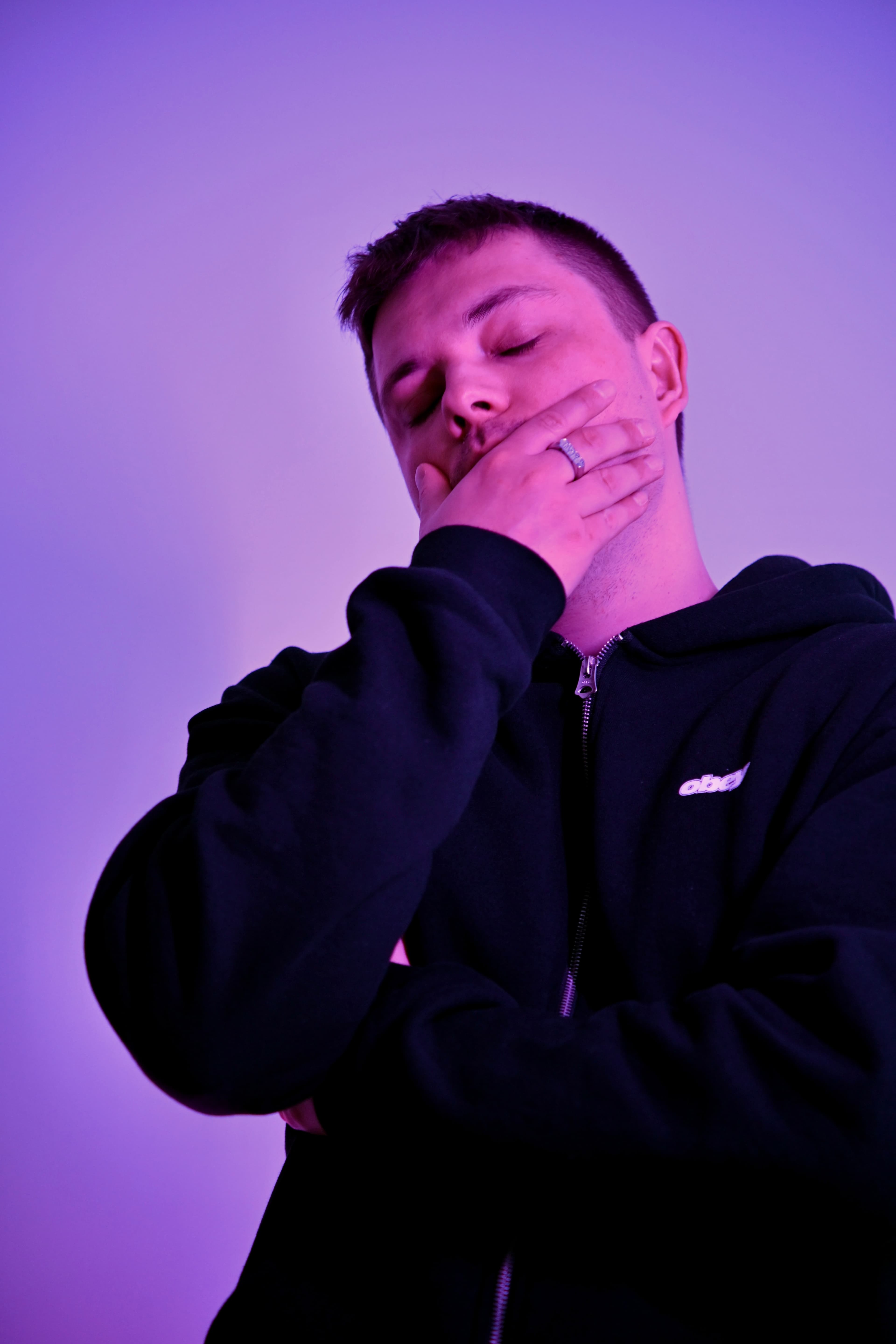

What pulls him to the decks is the dig. Songs that never got the recognition they deserved. Club bangers from years back that nobody spins anymore. Whole genres that have quietly dropped off the floor, like funk. Not edits, real funk. The kind with punch and a tempo you can stay inside for hours.
"People love it," he says. "It's music you can move to. Not too fast, not too slow, but it has weight. They just need to hear it. If nobody plays it, how are they supposed to find it?"
He holds the booth to the same bar as everything else. As a DJ he wants to give the crowd something they take home and sleep on. It's the same thing he wants when he's the one in the crowd. "Show me something I haven't heard yet."
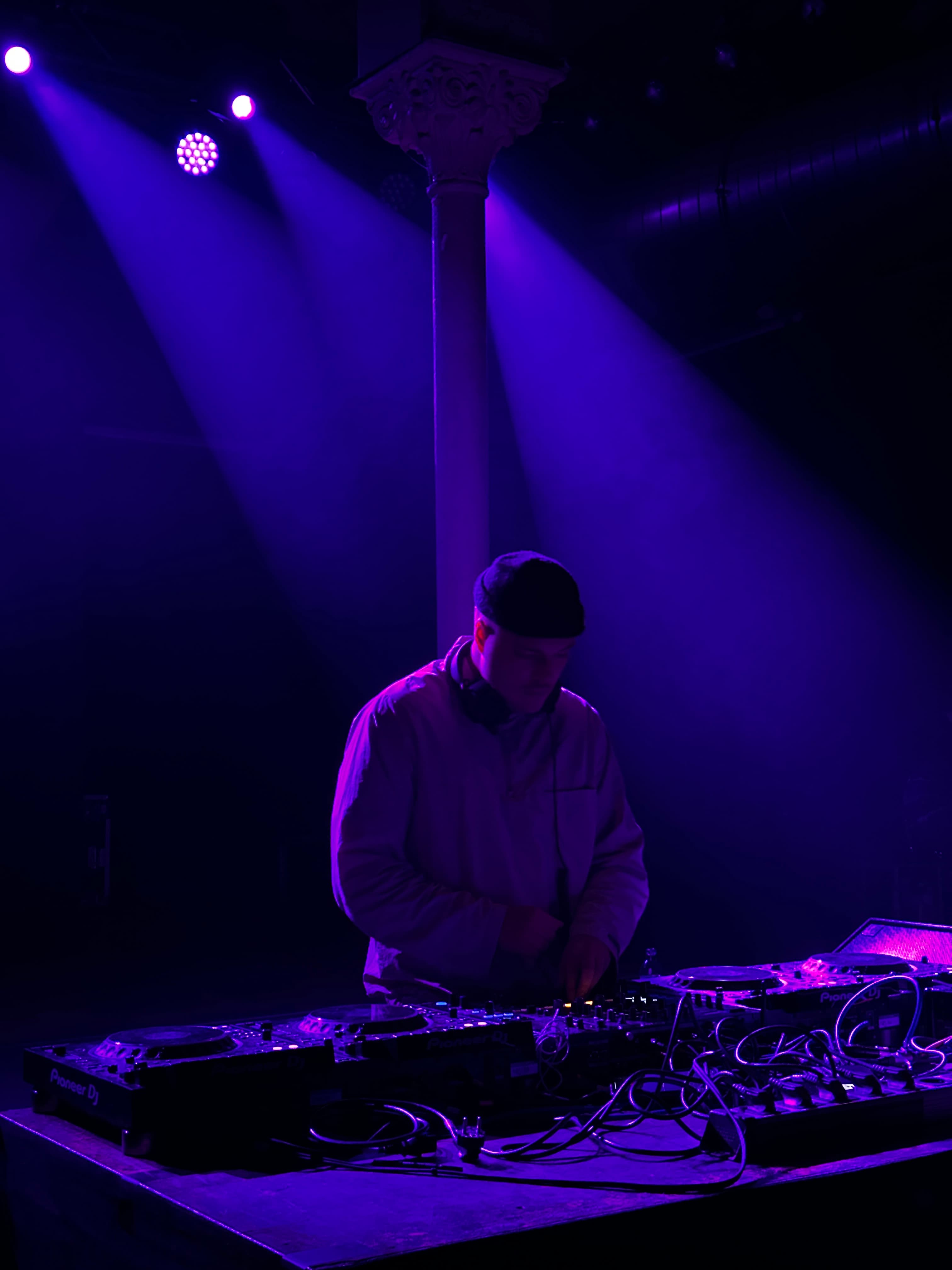

ONNEA's real audience, the people who actually care about what he releases, isn't in Berlin. It's on SoundCloud and Bandcamp. It isn't in Germany at all.
"I think it has to do with culture in Germany," he says. "Germany, musically, is not an immigration country. In the UK or France, it's different."
He doesn't say it as a complaint. He says it as a plain fact about where he lives. The UK has decades of Caribbean and West African influence in its dance music. France has the same with Maghreb and West Africa. Germany has techno, and techno took the cultural space first. The producers making the music he makes, the ones he listens to closest, mostly aren't here.
He releases anyway. He runs an ONNEA RELEASES channel on WhatsApp for the listeners who do show up. He keeps the Instagram going. The crowd is small and spread out. That doesn't bother him. The people who find the music stay with it, and that matters more to him than where they live.
Ten years on, the kid filming handstands is still in the same loop. Record, watch it back, find the mistake, go again.