
GESHA·Vietnam / Berlin, Germany→Berlin
DJ — resident at Ninja Wave
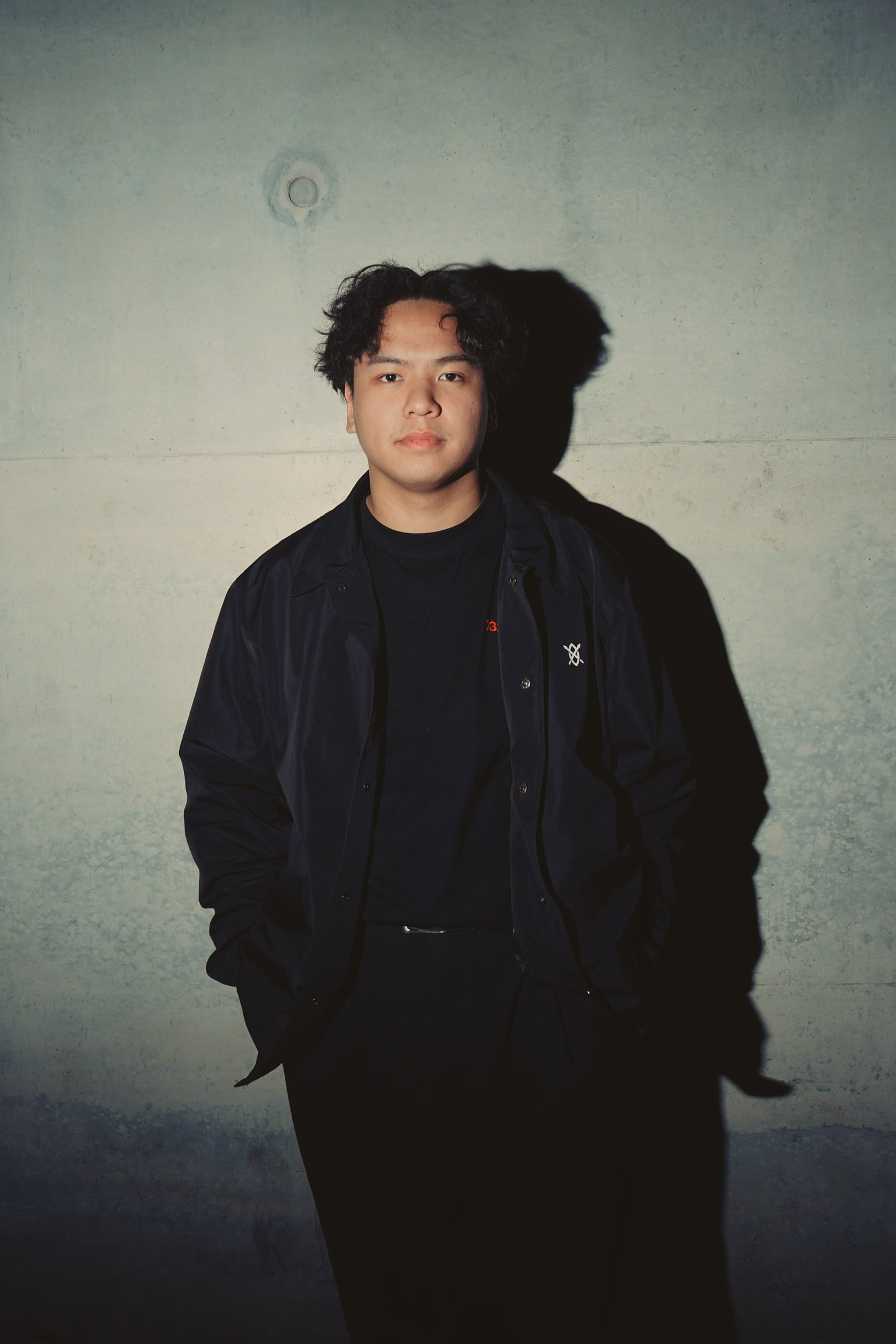

GESHA has a saying he uses so often that his girlfriend teases him about it: "The kid already fell in the well." It's a German idiom, Das Kind ist schon in den Brunnen gefallen, and it means exactly what it sounds like. The damage is done. There's no point agonising over it. Figure out what comes next.
It's a fitting philosophy for someone who never planned any of this. The 27-year-old Berlin DJ didn't grow up dreaming of decks and club floors. He grew up watching MTV and Viva, memorising Timbaland beats and 50 Cent hooks on repeat. Music was just background noise growing up, not something he ever thought about doing for a living.
Then one night, he went out to a club and hated what the DJ was playing. "I thought: I can do better than this," he says. And so, eventually, he did.
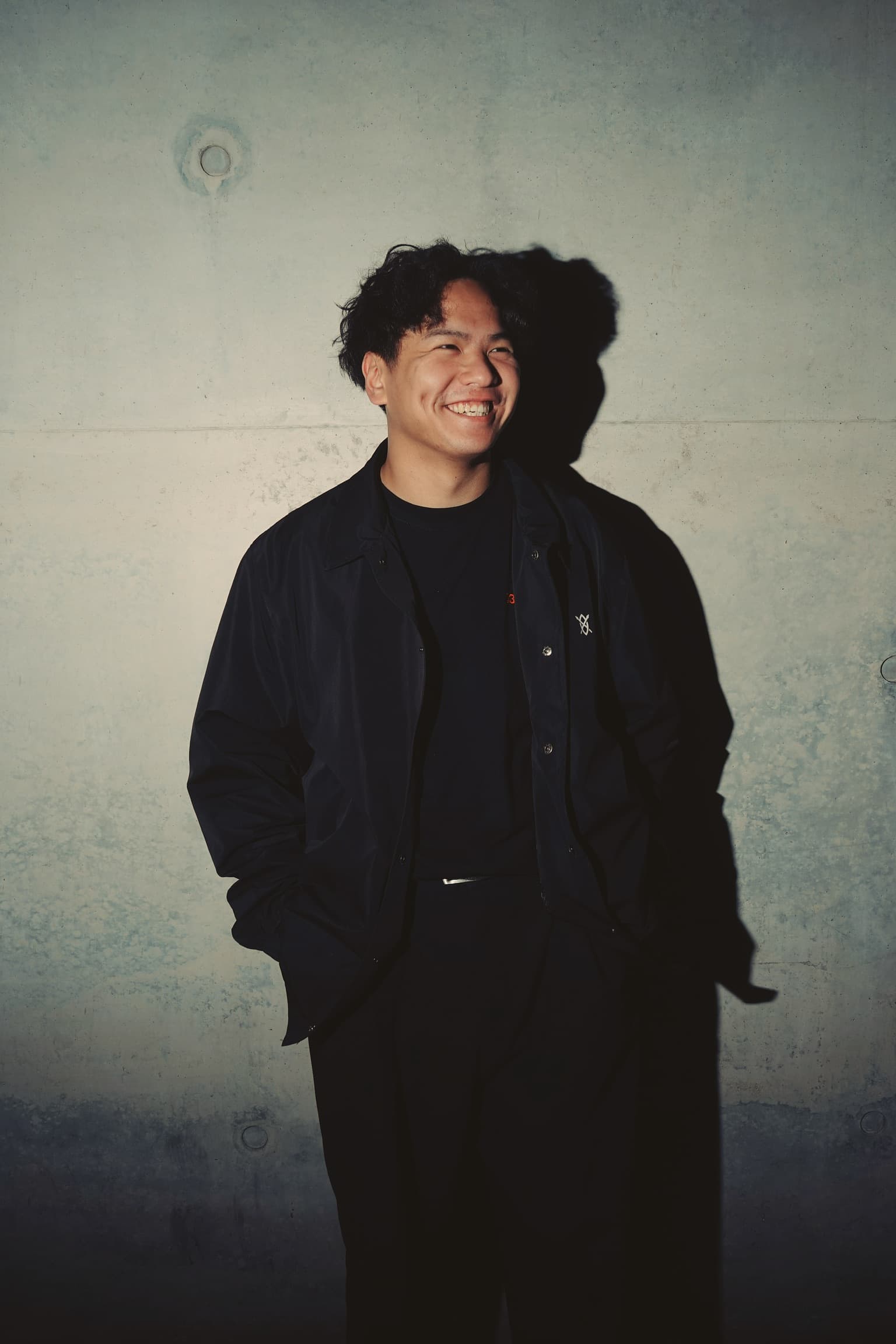

His parents came from Vietnam to East Germany as Gastarbeiter, and stayed. "I'm basically a born-and-raised Berliner," he says. He moved to Neukölln at 17 and traveled through Asia before coming home. He hasn't lived anywhere else since.
“Das Kind ist schon in den Brunnen gefallen. The kid already fell in the well.”
— GESHAThe DJing didn't start at a club. It started at house parties. He was deep in the trap era, playing Key Glock and Young Dolph on loop. "I was basically the designated DJ at every house party," he says. "People kept telling me I was good at it. So I figured, maybe I should actually try."
He threw two parties with a friend from school. The first lost him 150 euros, the second another 100. "That was a lot of money for me back then. I thought: no, I'm not doing this. I don't want the stress of promoting. I just want to play." He dropped the events side and focused on DJing. Then COVID hit.
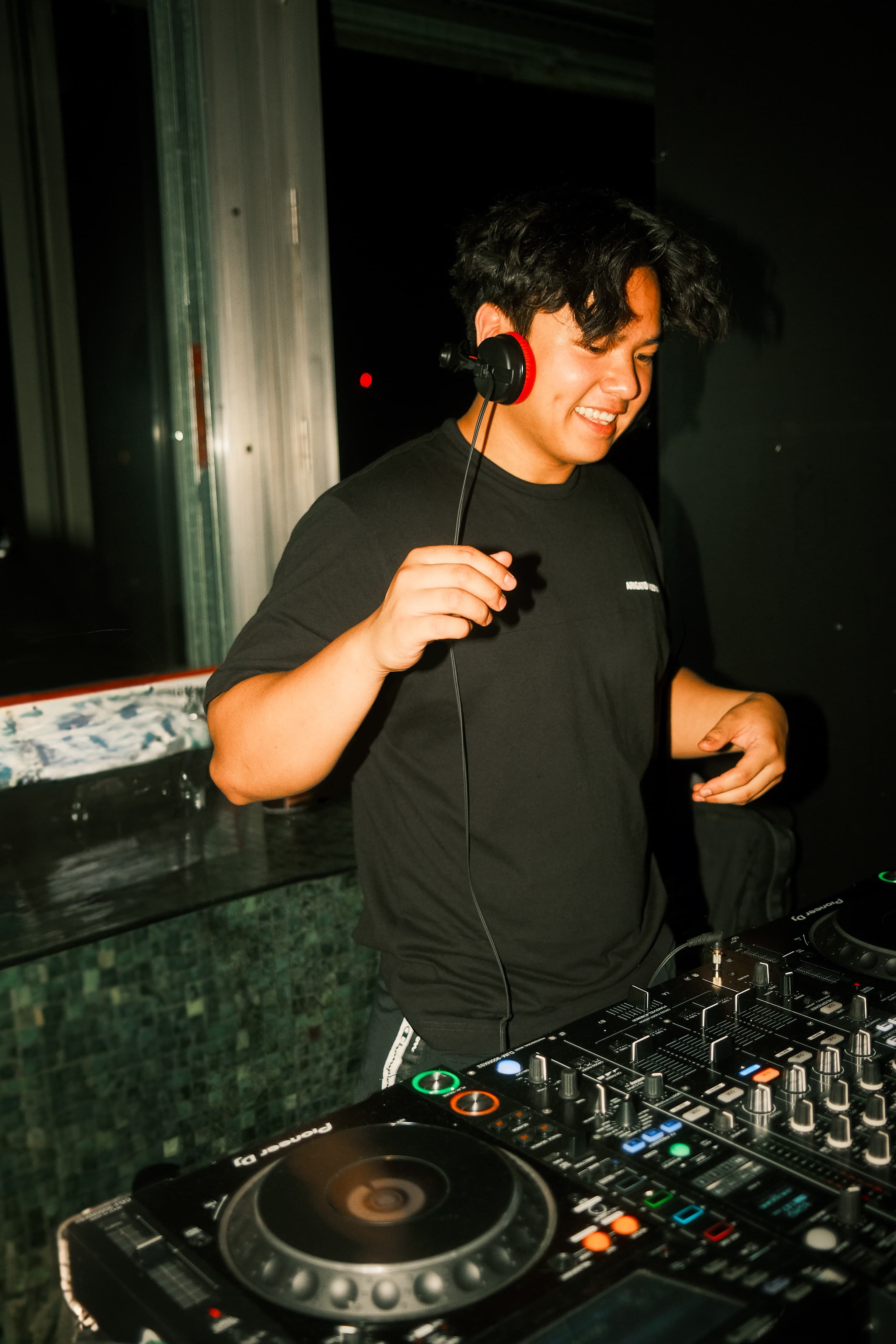

During the pandemic, GESHA worked as a barista just to stay afloat. When restrictions eased he came back, but clubs were still closed. Restaurants and bars were the only venues open, so DJs played dining rooms. At one of those gigs, a Spanish-Mexican restaurant, he met Papi Da Silva, a connection that would open doors.
Everything else came through word of mouth. House parties to shisha bars to clubs. No social media, no content plan. "Honestly, my biggest New Year's gig was at a shisha bar," he says, laughing. "I made 600 euros. For shisha-bar money, that was huge."
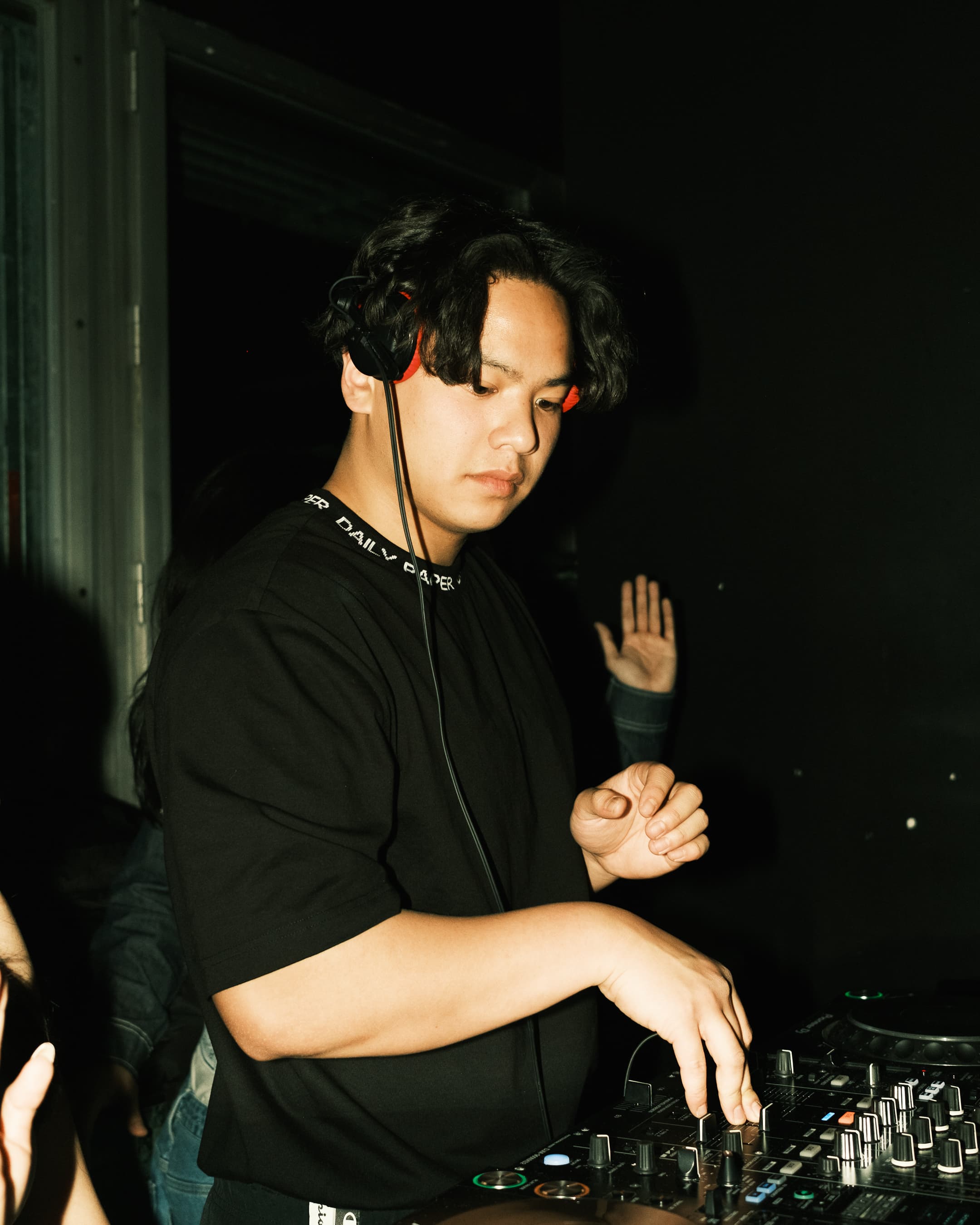

Today, GESHA is a resident at Ninja Wave, the most established Asian party in Germany. "A lot of the crowd shares my roots," he says. "I can play songs that represent where I come from. And the energy is different: you can really push it, play edits, try things."
He's played outside Berlin too, and the rules don't travel. "In Germany, you know what works," he says. "In Prague, you can't play Luciano and expect the same reaction. You have to really pay attention, take risks, try things you've never played before."
Preparation matters to GESHA. He sorts tracks into energy levels, opening, warm-up, peak, and brings around 40 to 50 pre-selected songs to every gig. Not a rigid setlist, but a framework. "If I showed up with nothing, I'd spend the whole time just thinking about what to play next," he says. "Having a shortlist gives me freedom to actually be in the moment."
Before unfamiliar gigs, he does his homework: studies the venue, checks the crowd's age and vibe, listens to what other DJs have played there. Then he builds on that foundation with his own taste. "I always try to take a little risk," he says. "I don't want to just play the safe stuff. Even if it doesn't work, at least I tried something."


GESHA sees Berlin's club scene shifting. The commercial clubs he grew up going to, the ones with dress codes and bottle service, are struggling. Entry prices have climbed from 5 or 10 euros to 25 or more. People are choosier. The standard Friday-night format doesn't draw the way it used to.
What's replacing it, he says, is community. Smaller events where people actually know each other. Parties where the same faces keep showing up. "I think it's actually a good thing," he says. "Promoters have to try harder now. And the community angle means people who are new to Berlin, who might feel lonely, can find a place where they know the same people will be there next time. That's a beautiful thing."
The music itself has evolved too. When GESHA first started going out, it was hip-hop, R&B, and a bit of moombahton, the Major Lazer era. Now genres he'd never heard of keep surfacing. Amapiano, kuduro, batida. "In the last few years, I've discovered music genres I didn't even know existed," he says. "And I keep thinking: how many more are out there? Especially from Asia. There might be sounds the world hasn't found yet."


The one area GESHA is still reckoning with is social media. His career was built entirely on word of mouth, and for a long time that worked. But the landscape has shifted.
"The competition is bigger now," he says. "There are fewer events. Promoters want DJs who can pull a crowd, and that means being visible online." He's noticed something else too: female DJs seem to have cracked the code faster. "They just post," he says. "No hesitation, no overthinking. I think guys get stuck in their heads, 'What will people think of me?', and the women just go for it."
The role itself has shifted. DJing used to be a service job: stand in the corner, play music. Now it's closer to performance. COVID accelerated it: livestreams turned anonymous DJs into faces, and faces need content. "It's not enough to be good anymore," he says. "You need to be visible. That's just the reality now."
He doesn't love it, but the kid already fell in the well. So he's working on it.