
Toolow·Botswana / Bavaria→Berlin
DJ and producer-in-the-making
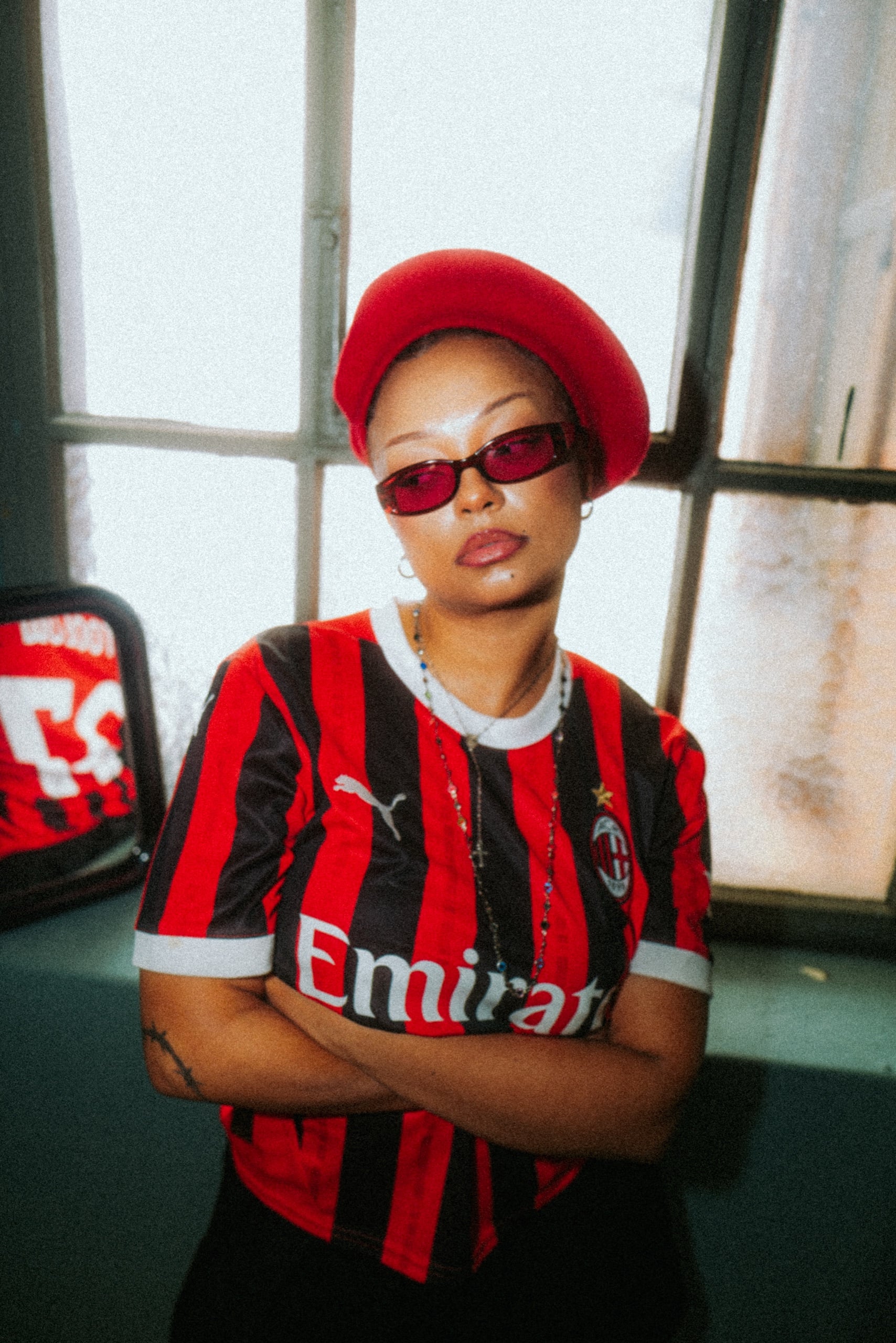

This spring, Black Coffee played the O2 in London with a live orchestra and the South African vocalists he'd worked with twenty years ago. Alicia Keys played the piano for him as a guest. Toolow watched it from Berlin on her phone. "It was a sign," she says. "Africa is already here. People just aren't looking yet."
She is positioning herself for it, and not just for the African sounds that have already broken through. Amapiano is visible. Afrobeats is visible. The Afrohouse circuit is visible. What she's pointing at is the next wave behind that. Hip-hop. R&B. Trap. Rock. Jazz. Artists who haven't had the breakout moment yet because they didn't come up in the US or UK.
The piece of the wave she keeps coming back to is the one Berlin is asleep on. London packs Piano People with thousands. Amsterdam books Caiiro as a main act in a sold-out room. In Berlin, a big promoter booked an African headliner, then buried him in the early hours in front of a near-empty room instead of building the night toward him as the main act. He played and disappeared. The artists are already in Europe. Touring season keeps them on the continent for months, routed through London and the bigger markets. From there, getting one to Berlin is a one-hour flight instead of a long haul from South Africa. Berlin doesn't call. "It's one email, one phone call from a sponsor," she says. "We fly them from London to Berlin and make something big. A flight is one hour."
She is not the person who can write that email yet. She wants a place in it, opening the night for them or just there to welcome them in.
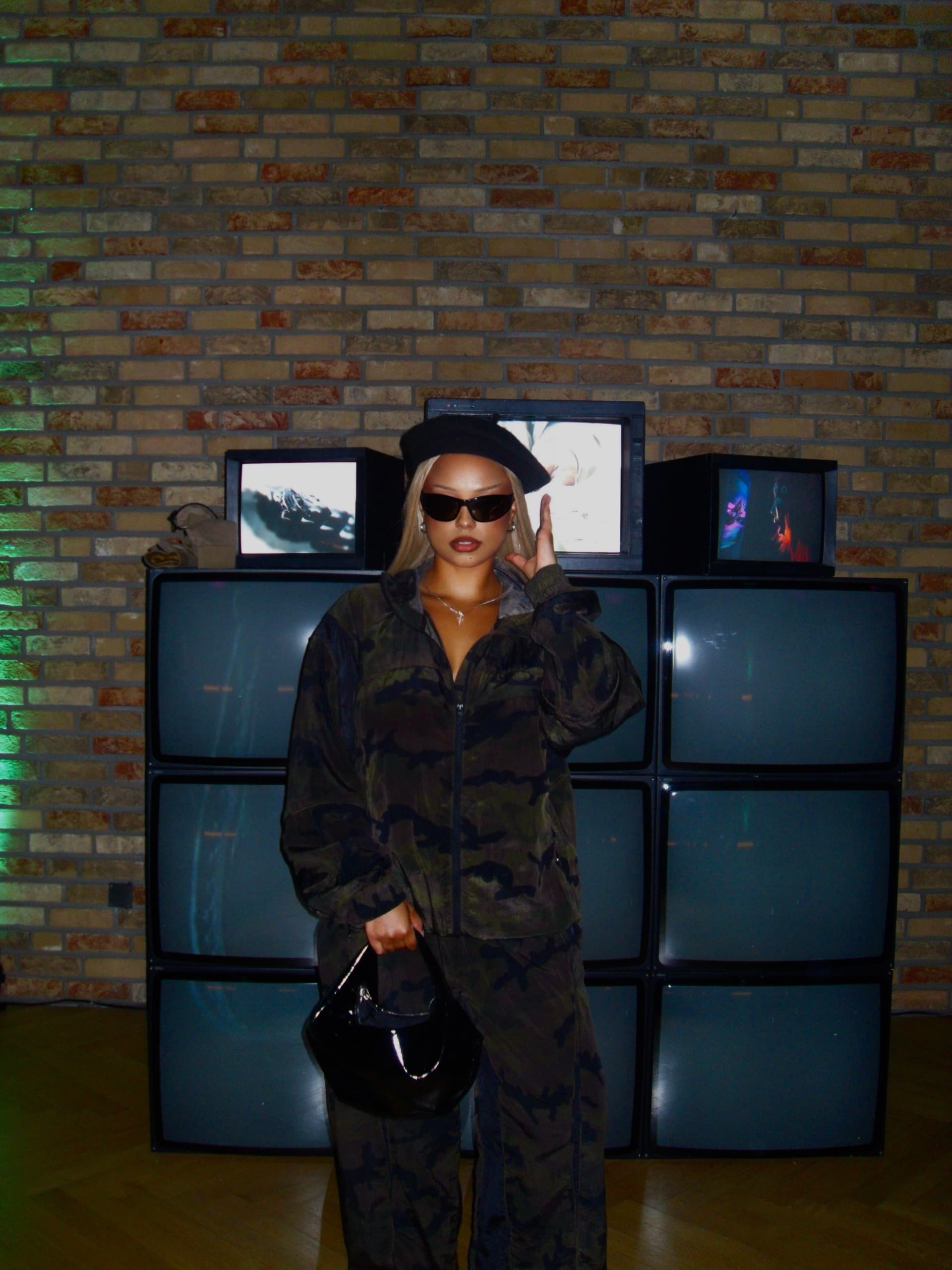

She was born in Botswana. Her mother is Motswana, her father German. Her family came back to Germany when she was two. She grew up in Weidenloh, a ten-house village forty-five minutes outside Nuremberg. Four family houses in a row. Dogs and pigs and chickens in the back. Her dad's forestry plot beyond that. Six aunts and uncles in walking distance. "I was the only Black person in a ten-kilometre radius," she says. "With my brother."
The first time she felt at home was a summer in Botswana at sixteen. "I was surrounded by people who looked like me," she says. "I never had that here in Germany." It took her until then to wear her hair in an afro. "I didn't dare before."
The family house in Botswana sits ten metres from the South African border. Her cousin works the border post. "We just step through. They know us." Music was always playing. Her dad listens to everything: Metallica one minute, Kwaito the next. Her mother plays Michael Jackson and Tina Turner. Her uncle hosted on Metro FM, the biggest radio station in South Africa.
"Tulo," her grandmother told her, more than once. "You have to do something with music."
“Music is spiritual to me. I feel it in every cell of my body.”
— Toolow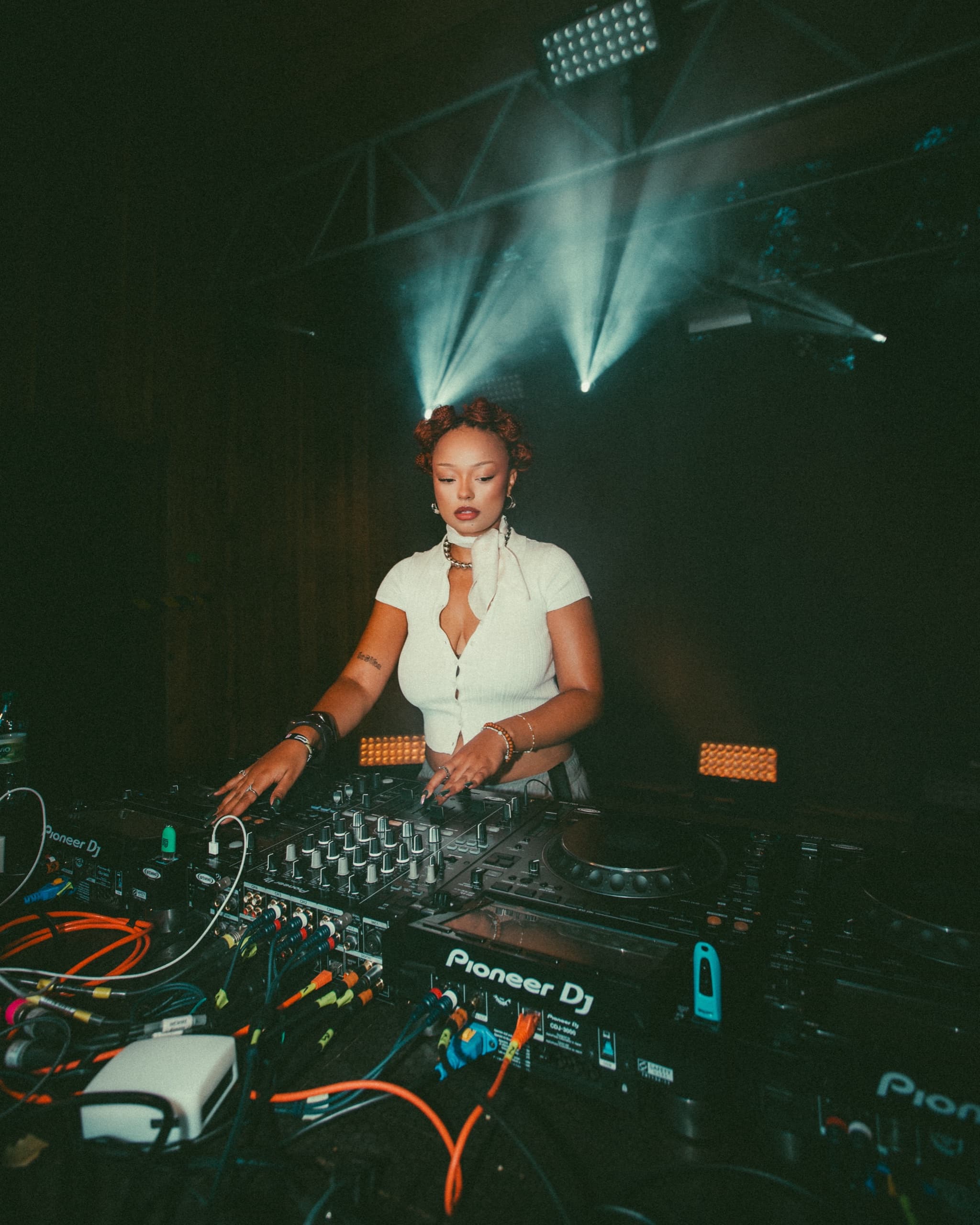

The DJing came through a different door than expected. She played handball for eleven years, and her whole free time circled around it. Then COVID shut it down. She'd always had the records nobody else had at house parties. Friends used to ask: "Tulo, can you put the music on? You've got the taste." She hadn't known how to take it past that.
Stuck inside with no handball, she downloaded a DJ program on her Windows laptop. She made a fake Instagram profile, followed nobody, let it exist as a placeholder. A schoolfriend from years before found it anyway and invited her to an Open Decks event in two weeks. She locked herself in her room every day until then. Played the gig with her laptop. "My brother was there," she says. "He doesn't compliment easy. When he said he was proud, I knew."
She moved to Berlin two weeks later.
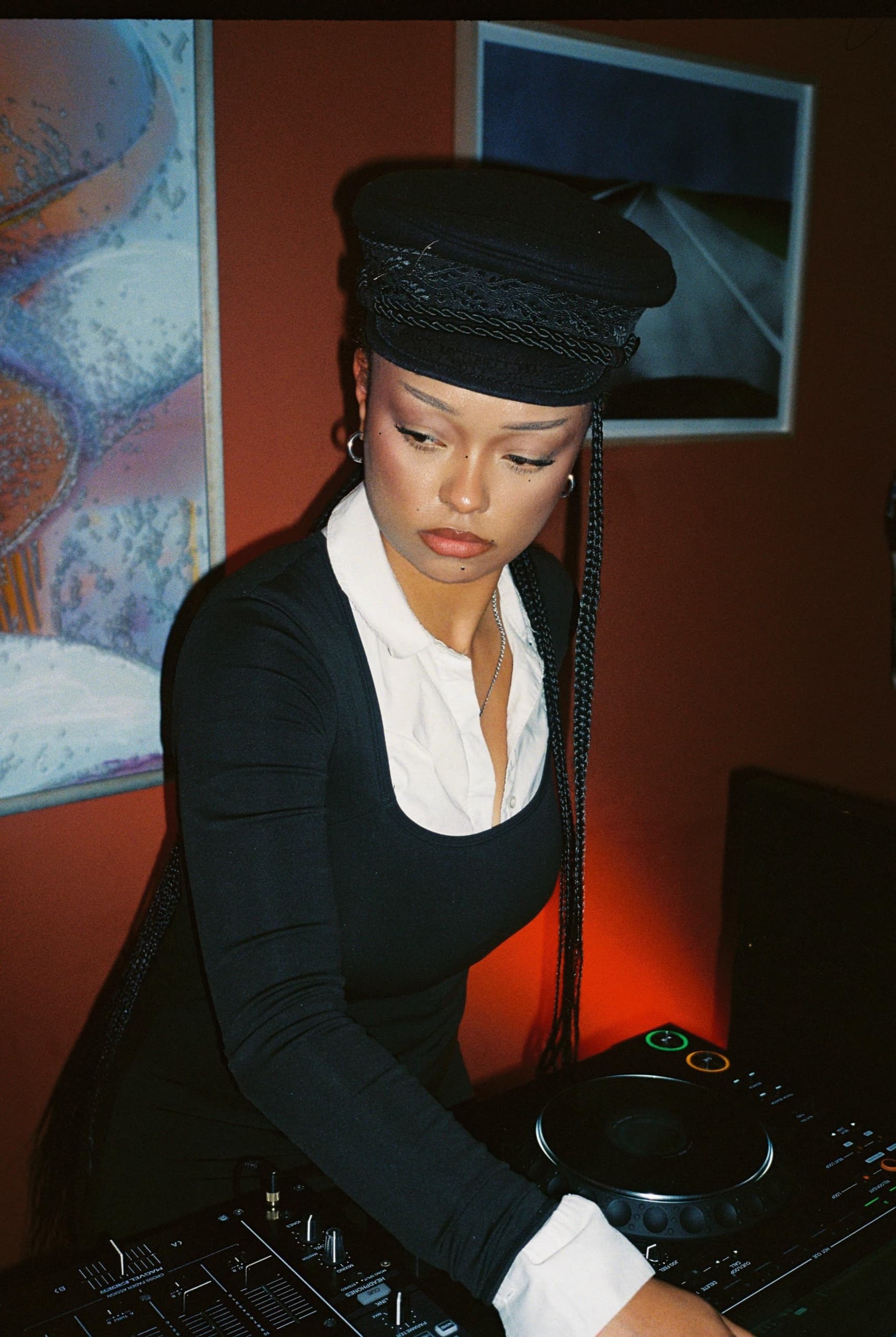

In Berlin the first wave came easy. She started out playing open format, the commercial club sound, friends pushing her past her comfort zone. Her first real Berlin gig came soon after. The money was good. The bookings were steady. The music wasn't quite hers.
The shift came watching Black Coffee live in Berlin. "I thought, I could be on that same stage one day," she says. "There are enough talented Diaspora DJs and producers in this city who come from where I come from. We should be the landing strip when artists like him come to Germany." She cancelled the commercial bookings she had stacked. The first months after were financially rough. "It's the best decision I ever made."
The Don Jon, a friend in the scene, gave her the underlying principle. "If you really know your genres, you can catch any crowd," she remembers him saying. "You don't need to chase what they want. You need to know your music inside and out."
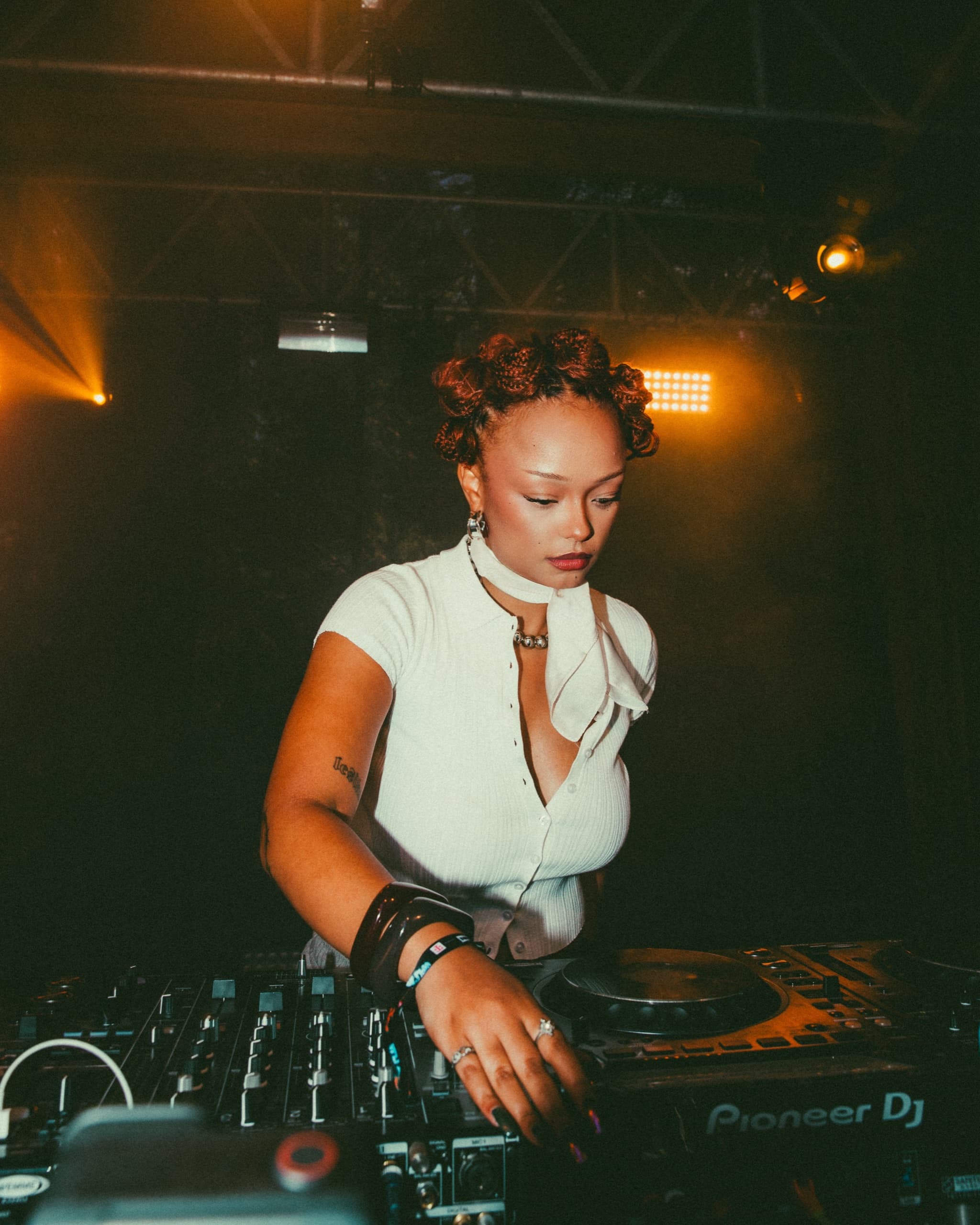

What she plays now is African Electronic. 3-step. Afrotech. Afrohouse. The deeper end of what was already in her. What her uncle spun on Metro FM in the nineties. What her grandmother's friends danced to in the townships where Black Coffee and Kabza De Small came up.
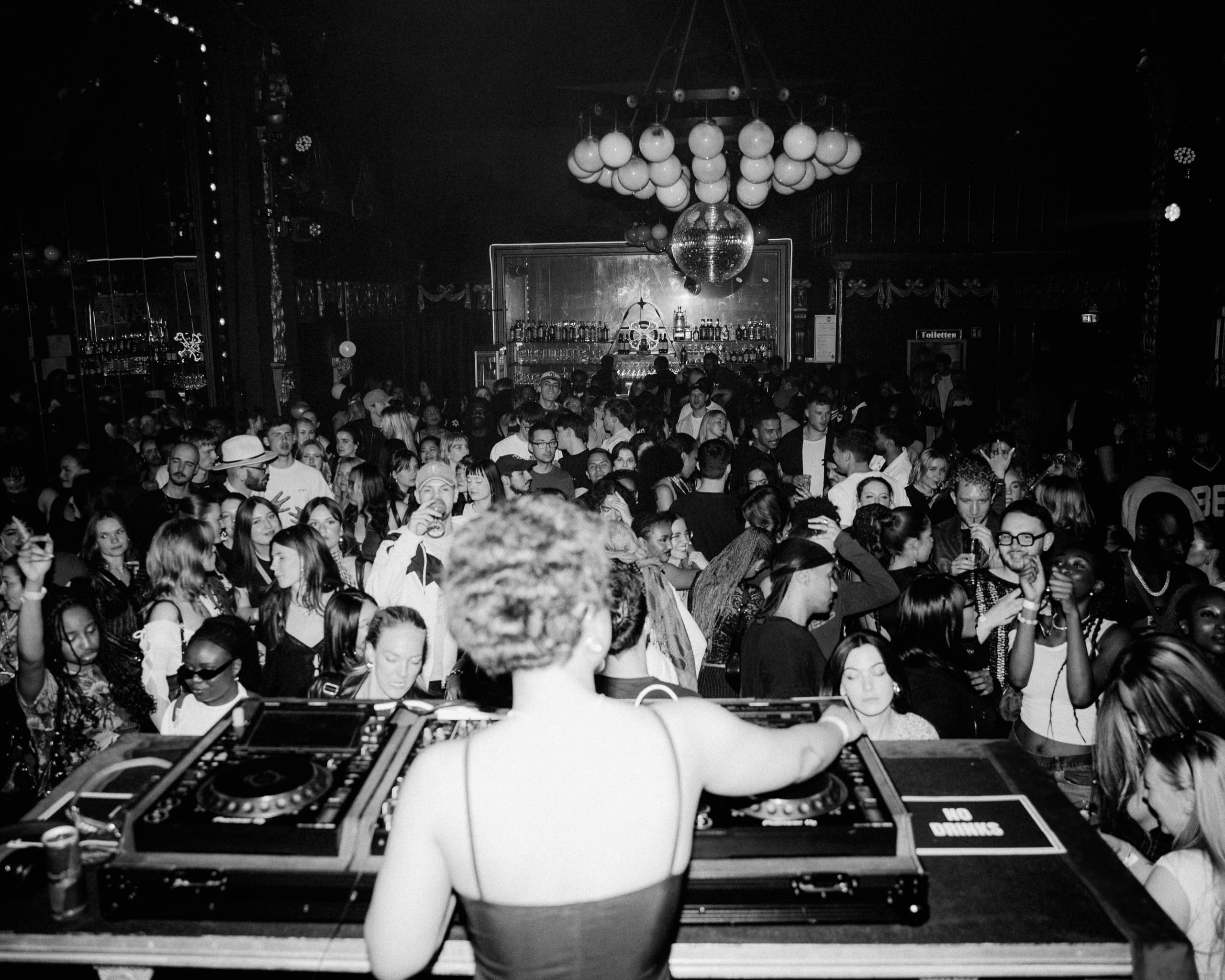

She played a set in South Africa last year. Sixty-year-old aunties on the floor. "That was everything," she says.
There is a phrase she keeps coming back to about playing for the SA crowd. "When you can catch a crowd there, you've understood South African house. Those people are deeply rooted. These genres aren't just music to them." The sound systems in roadside tuck shops, she points out, are better than most Berlin clubs. "Music has to have quality there. Everything revolves around it."
The drift was always going to catch up.
For four years, by her own count, she'd worn a version of herself she'd assembled to survive Berlin. "Toolow was someone different from Tulo," she says. The artist name and the kid her grandmother had called were quietly diverging. The mask was working until it wasn't.
She came back from a South African trip earlier this year inspired, full, sun-coloured. "I came back to dark, cold Berlin," she says. "I think I broke this year."
She was indoors until May. The creative block was complete. "I sat in front of my laptop and didn't know what I should play," she says. She listened to the same ten songs for two months. The DJ who could improvise her way out of any room couldn't open the file.
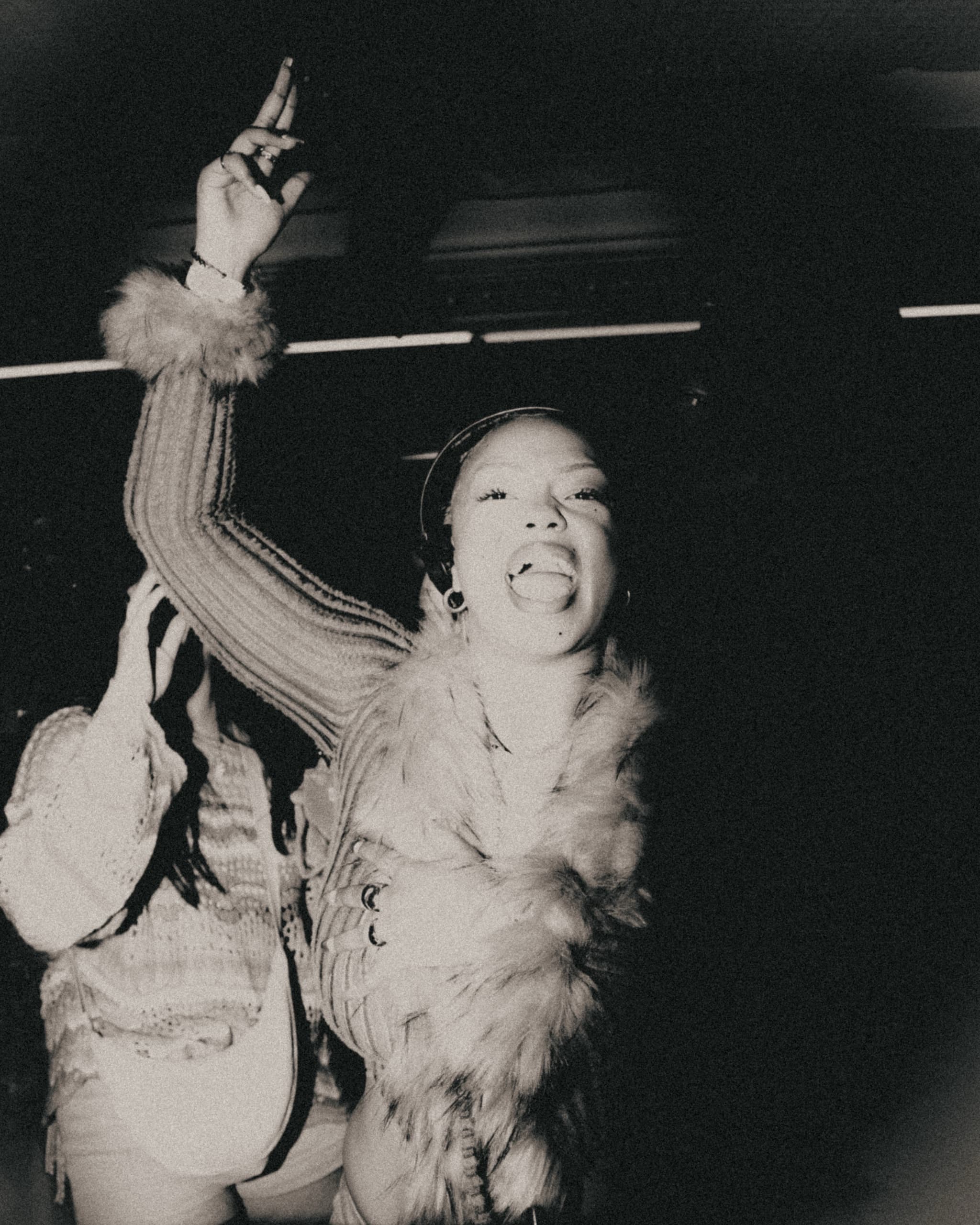

She got outside again as the weather turned. "You have to take time for yourself sometimes," she says. "It came back." The small Berlin crew carried her through it, Selina and Lindi when she's in town. So did her friends and family back home, the ones she calls often, always at her side across the distance.
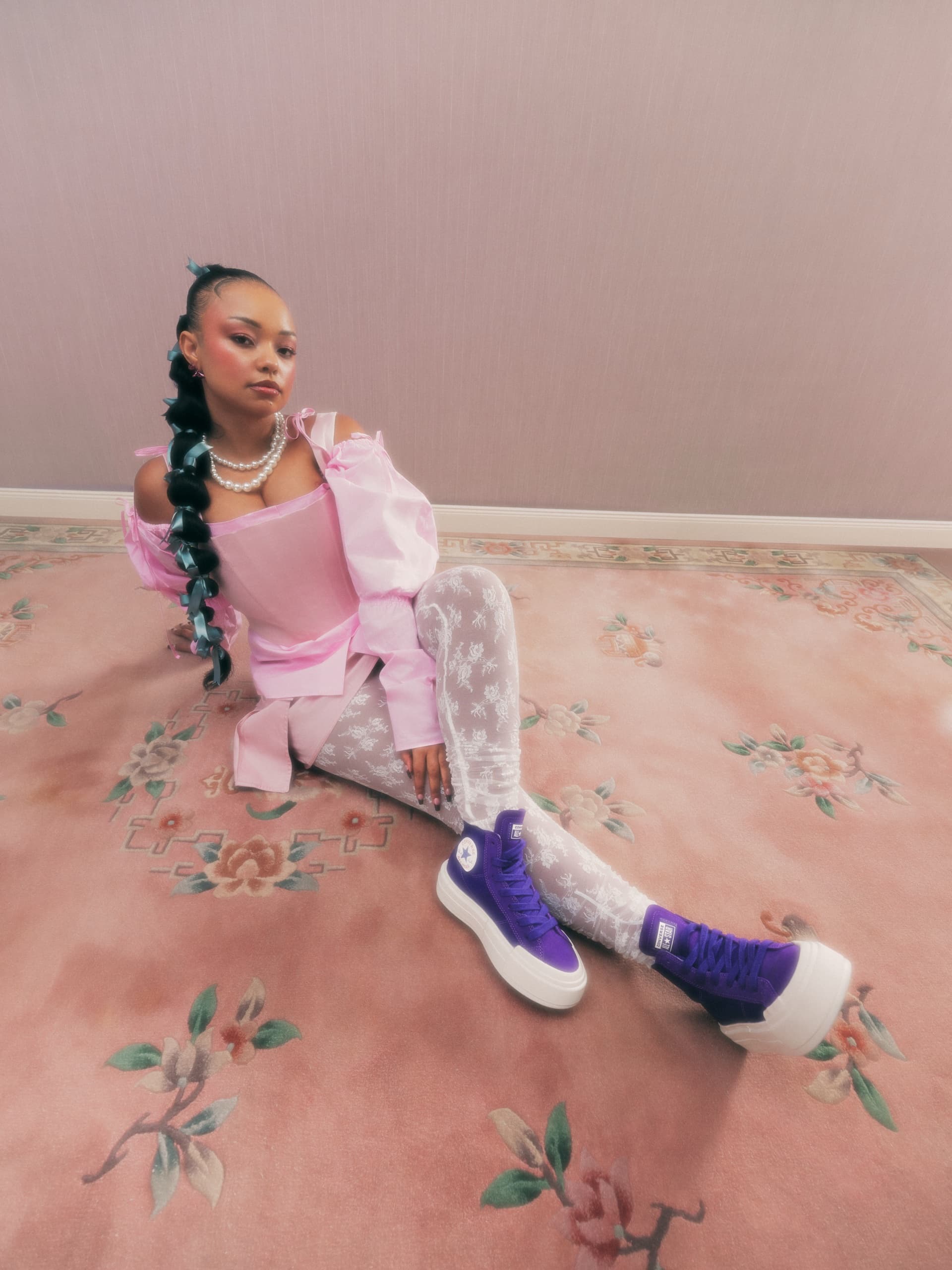

She is mapping the next moves now. She wants to learn to produce. Her own tracks, her own voice on them. "My grandmother always said I should sing," she says. "I don't have the confidence on a stage with a microphone. But on my own song, behind the music, I can." She wants to make video content that explains what she's playing rather than chasing what catches. She wants to start the networking that pulls South African artists through Berlin instead of past it.
She is clear about what is in the way. "I don't have the money yet," she says. "I don't have the connections yet." What she has is the room, and her body in the room, and the count of how many people just like her are quietly waiting to be a landing strip.
"Tulo," her grandmother had said. "You have to do something with music."
She's working on it.
Photography by @ebeabebe, @mat_chec, and @charlolah.