
gredeson·Finland / Sweden→Berlin
DJ, engineer, co-founder of EDGE collective, creator of Brotalism
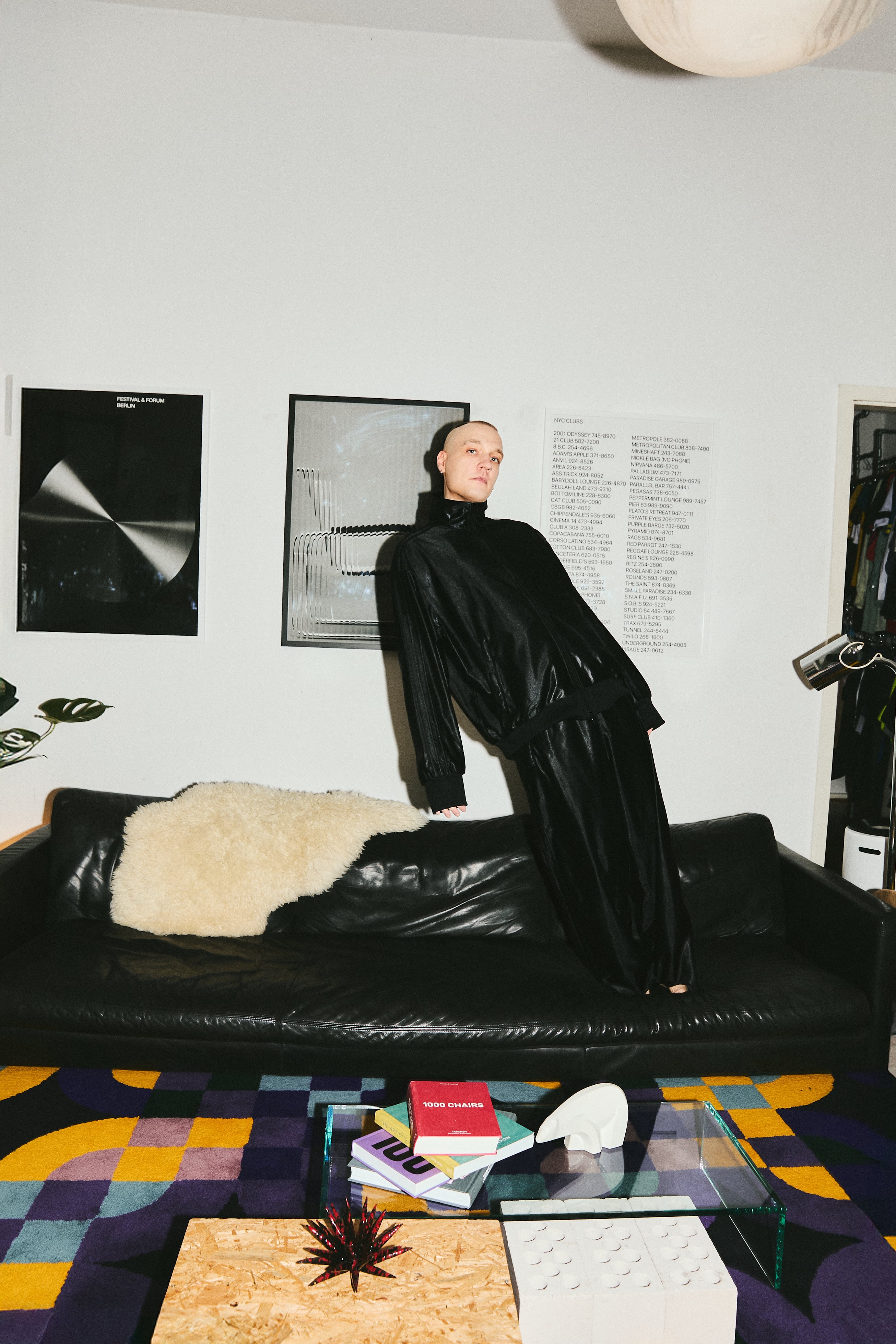

Benji never felt at home in Sweden. Finnish parents, a childhood that didn't quite fit. He left at 19 without looking back. Southern France first, then a year in Paris, back to Sweden for an engineering degree, a stint in Rwanda, a master's in Montreal, and eventually Berlin. He wasn't searching for anything in particular. He just kept going.
"I never really felt home in Sweden," he says. "So it was easy for me to leave." Berlin wasn't a destination. It was a person first, then a city. "I fell in love with someone here, and then I fell in love with Berlin. Since then, I'm okay with the changes. I'm changing also, you know?"
Home, for him, isn't a place you find. It's something that forms around you, through people, through connection. Slowly, and only if you stop trying to force it.
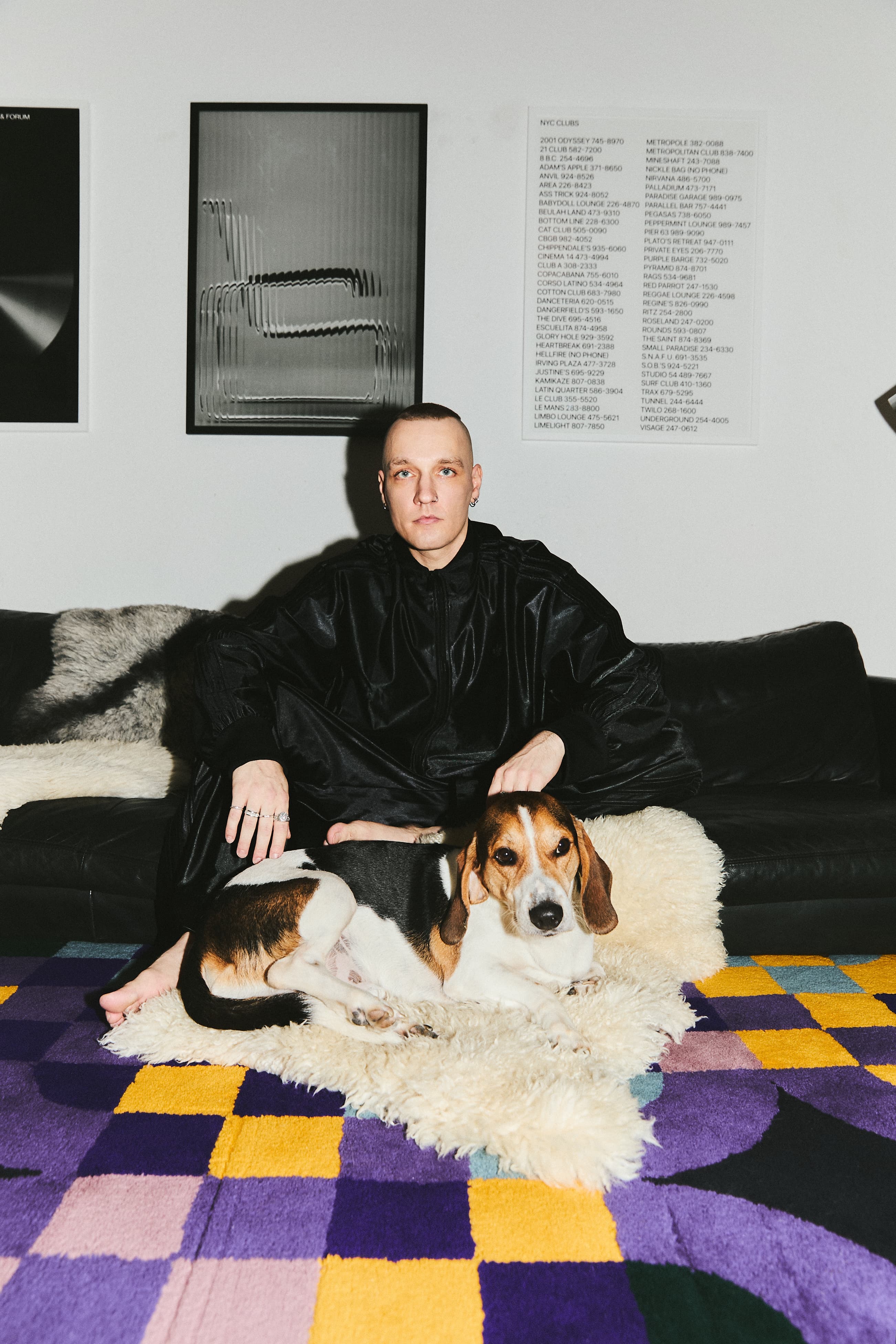

That feeling is what drives EDGE, the artist collective he co-runs with Anıl Ayhan, photographer, art director, and one of its three original founders. The project was founded in 2021 by Turkish immigrants in Berlin, originally a production house for video and photography. It changed hands, changed shape. Two of the three founders moved on to other projects. By the time Benji joined, it was something between an event collective and an open question.
The answer, it turned out, was: everything. EDGE now runs a mix series, curates exhibitions, hosts gatherings that merge food collectives with sound, throws intimate events, launches merch made from secondhand clothes screen-printed with designs by community artists. They are building a video interview series. They reserve one slot at every event for a newcomer, an open call, no gatekeeping. "We don't want to be the top in curation," he says. "We want to be a springboard. For migrants, for queer artists, for those who haven't had the chance before." Explore EDGE →
The structure behind all of this is unmistakably his. He calls himself an engineer of growth, someone who builds systems so that organisations can scale. At EDGE, he diversified every activity into a product, assigned an owner to each one, and created a framework where he and Anıl set strategy while the rest of the now seven-person team runs the moving parts. His co-founder brings the art direction. Benji brings the architecture.
"It's like the baby that we were having," he says. "A creative partner. Business partners."
The engineering is real. He studied it formally, a bachelor's in Sweden, a master's in Montreal, both heavy on mathematics and physics. Not because he loved it, but because he didn't. "I needed to prove to myself that I could do the things I found the most difficult," he says. By his first year of the master's, four years into five, he was asking himself what the fuck he was doing there. Everyone around him was square. Nobody thought the way he thought.
But the degree gave him something: a tolerance for structure. A system-builder's brain. And when he later turned that brain toward creative projects, the two halves of him, the engineer and the artist, stopped fighting and started collaborating.
"I'm always in between chaos and order," he says. "I need both to function."
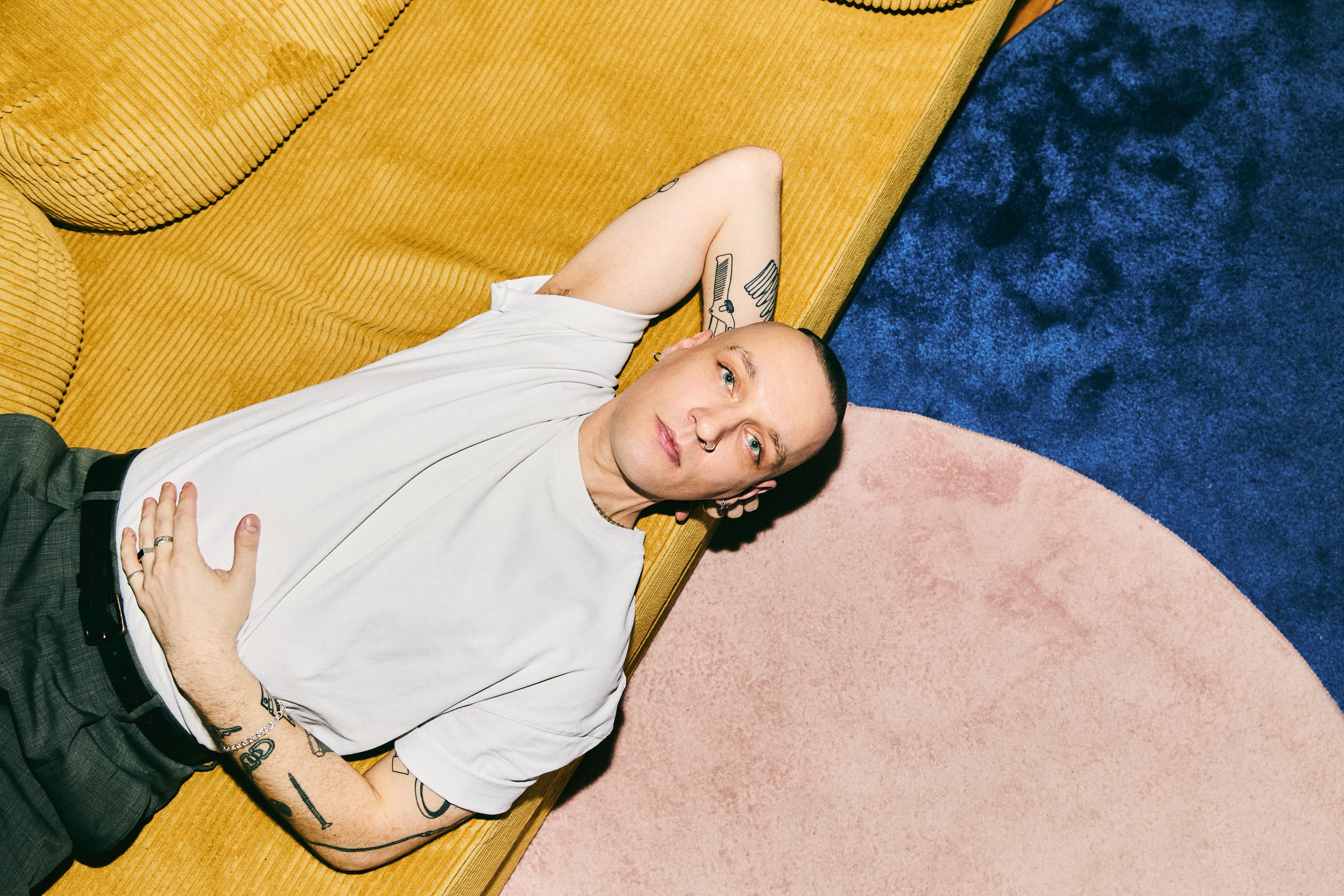

“Not everything has to grow. Not everything has to become the biggest thing ever. Maybe that small thing is fine.”
— gredesonThe creative part took longer to trust. He'd always been drawn to it: photography from age 14 or 15, dancing from 12 or 13, an instinct for interior design and architecture that he traces to something almost domestic. "I think of functionality of how a space can be functional and modular," he says. "When people come to my place, they feel home very quickly."
Speakers placed just right. Every room connected. Soundproofing considered. His father is an audiophile, not passionate about music, exactly, but obsessed with sound quality. Test CDs. Bass frequencies. The apple didn't fall far.
But music itself came late. Growing up, he barely listened. He has what he describes as a kind of audio processing disorder: he can hear lyrics but can't make sense of the words together. Sentences arrive as sound, not meaning. It wasn't until Paris, around 2009, that he found minimal techno and something shifted. "I could just feel this," he says. "I didn't have to analyse or rationalise what they were saying, because it didn't mean anything to me anyway."
For the first time in his life, he felt connected to what he was hearing. Tracks like Louie Cut's Acid Disco Drop and Cajmere & Russoul's Let's Dance still linger in the background for him, cheesy and fun and undeniably good.
Then came the tinnitus. Rwanda, 2013. He was there for his bachelor thesis, an engineering analysis of the electricity market. An outdoor gym session, fifty people in a circle, a broken speaker right next to him. After that, the quiet was never quiet again.
"I woke up for three months and cried," he says. "It was still there." A doctor confirmed it. His ears tested okay, but the ringing stayed. It changed everything about how he absorbed sound, a love-hate relationship with volume that persists to this day.
A friend reframed it for him: Imagine your life goes to shit, everything is the worst you can imagine. You still always have your tinnitus. It was, strangely, the most comforting thing anyone said. "It showed me how important the ears are," Benji says. "I never took them seriously until it happened."
The DJing grew from there, slowly, through people, through proximity. A partner who played a live set at Berghain. Friends who were producers and DJs in Berlin. A first gig at Golden Gate on his birthday, with a tiny controller and everything to learn. And then Montreal, where boredom became the engine of something real.
"I was studying at Polytechnic de Montreal, in French, and everything was difficult," he says. "After six months I asked myself, if I'm not happy here, what can I change?" He started an artist collective called Whalewhale with Aubrey Grant, a philosopher, and a techno producer. Their first event drew 400 people. He played his own set for the first time. When he had to leave the city, people were still asking when the next one was happening.
That was the proof. He could build something creative, not just strategic. The two impulses, entrepreneurship and art, could live in the same project.
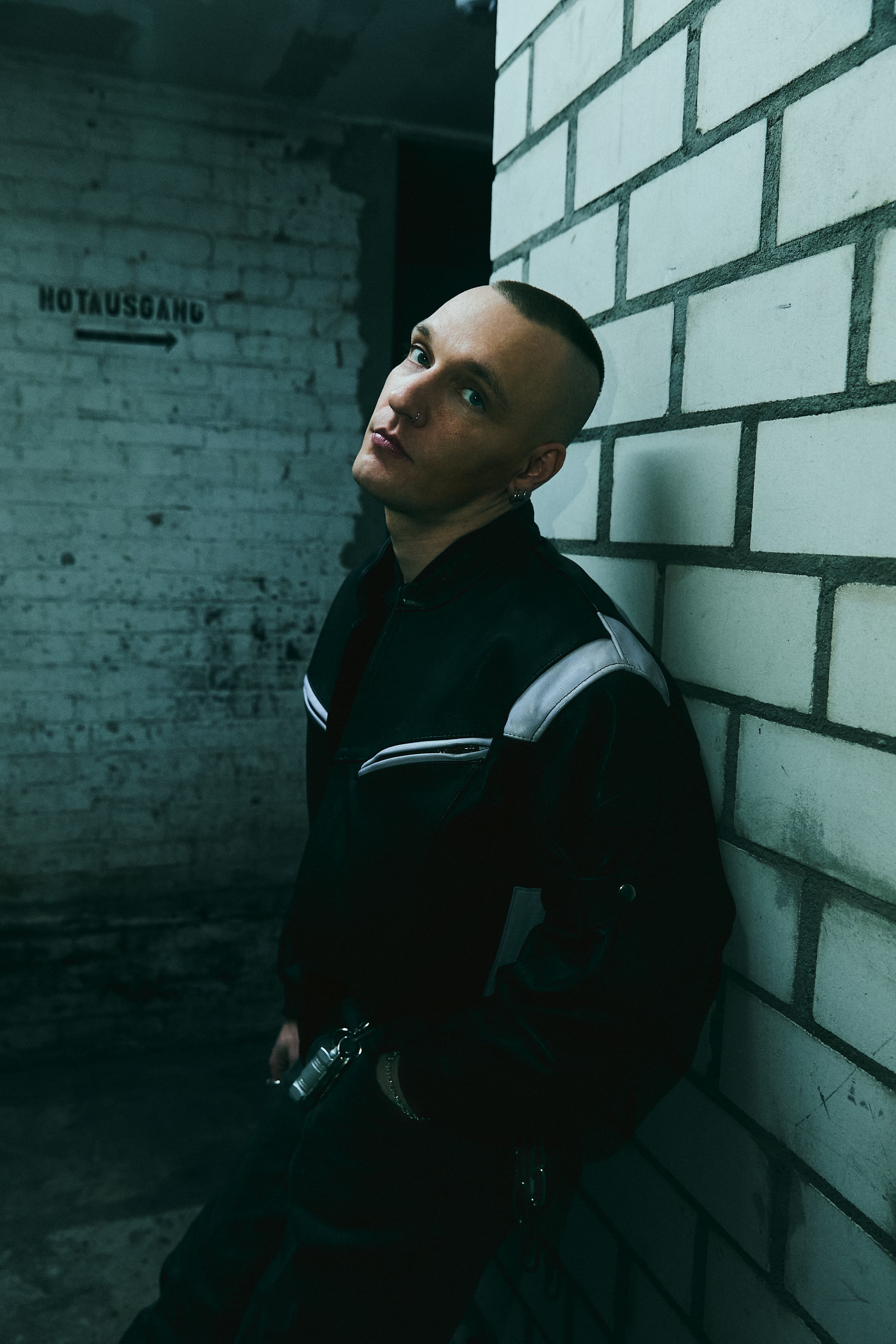

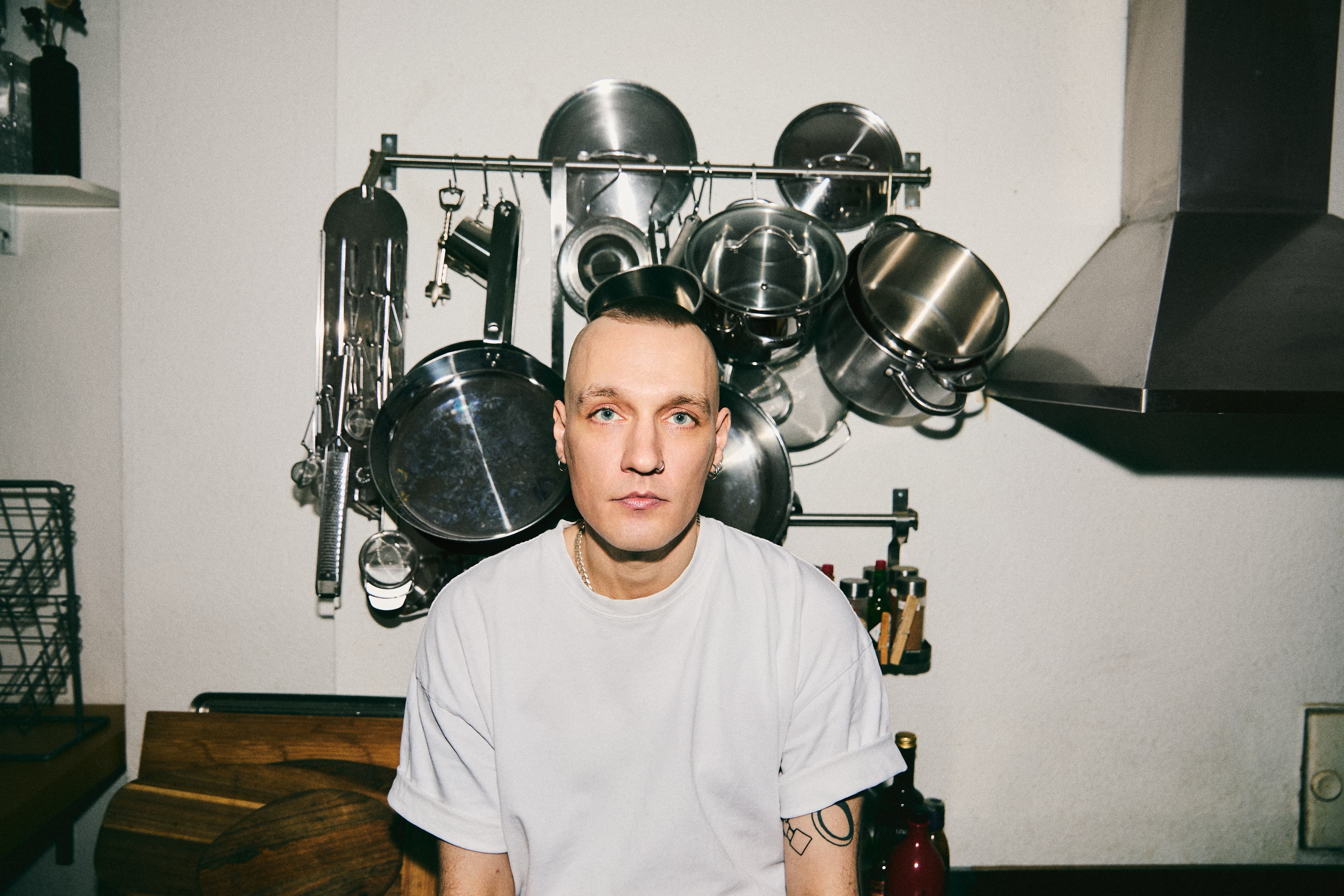

Today, his performances run on a system he built through trial and error. The worst gig of his life was one where everything slipped out of his hands, too messy, no anchor. The one after that, he over-planned and felt like a robot executing someone else's curation. So he found the middle: playlists organised by vibe, prepared specifically for each event, with enough structure to hold the night and enough space to move freely inside it.
"I want to do enough planning so I give myself space for the real performance, the part that happens in front of the dancers," he says. "I want to move in and out of feelings, vibes, and energy without it becoming too rigid or lifeless. It's all for the dancers. I'm there to make sure they can enjoy themselves."
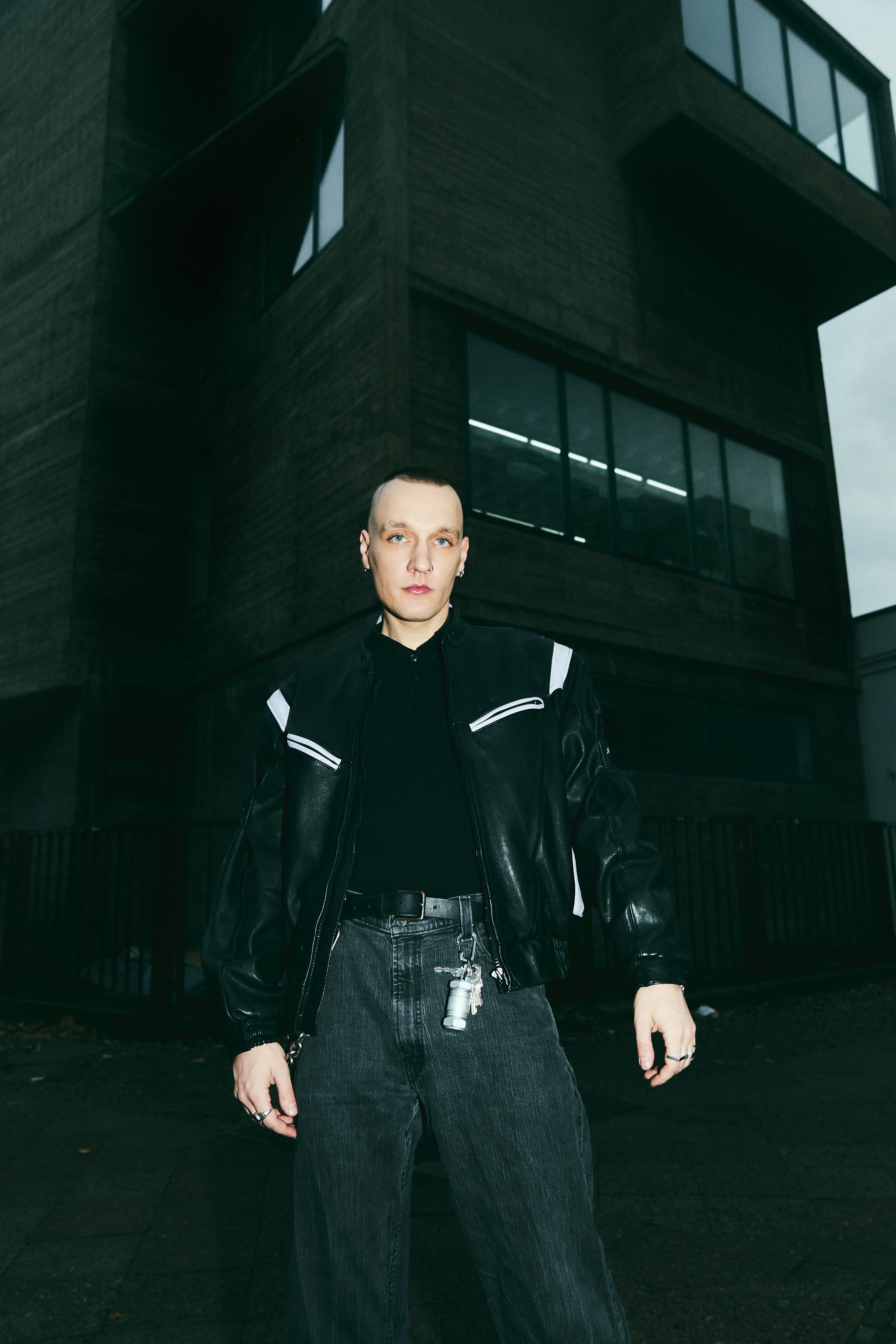

He has a side project, too: Brotalism, an Instagram page combining his love of brutalist architecture with travel photography. The name is a portmanteau: bros and brutalism. He started it around 2018, born from boredom and a life goal to visit one new country per year, 44 countries and counting, now heading toward Central Asia. The page has inspired people to see their hometowns differently, to pick up architecture photography, to find beauty in the massive, raw, concrete structures most people walk past without looking.
"Not everything has to grow," he says. "I have to tell myself this. Not everything has to become the biggest thing ever. Maybe that small thing is fine. And I can go on to the next thing."
He pauses.
"Maybe the looking for home is the point."
Photography by Nicholas Santini